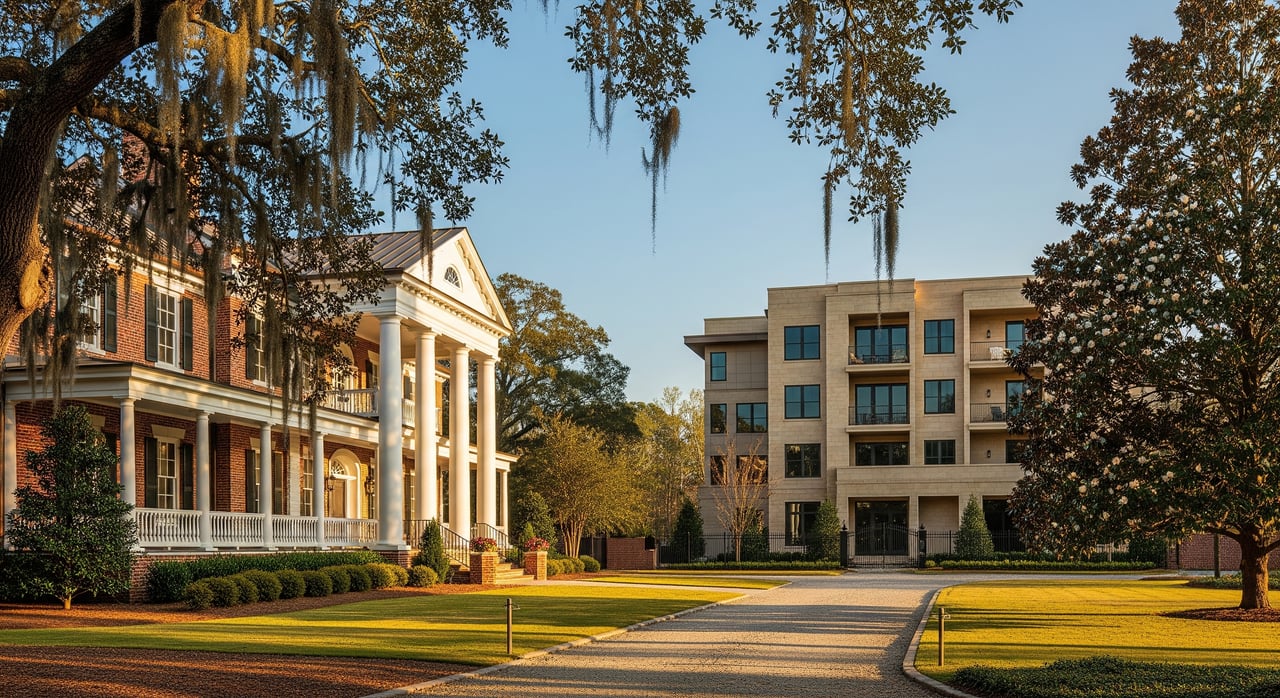
Are you weighing big-sky acreage against a lock-and-leave condo lifestyle? If you’re eyeing Buckhead, Morgan County, but need urban convenience, you’re not alone. Executives and move-up buyers often compare a private estate in the country with a high-rise residence in Atlanta. This guide breaks down the lifestyle, costs, and long-term tradeoffs so you can choose with confidence. Let’s dive in.
Two Buckheads, one decision
Before you compare properties, clarify the geography. Buckhead in Morgan County is a small town with single-family homes, rural estates, and low-density parcels. It is not a high-rise condo market.
When most people say “Buckhead condos,” they mean the Buckhead neighborhood in Atlanta, which has multiple luxury towers, concierge services, private clubs, and premium retail. If you want a true high-rise, you’ll look to Atlanta’s Buckhead, Midtown, or Downtown. If you want land and privacy, Buckhead in Morgan County fits that brief.
What estate living offers
Space and privacy
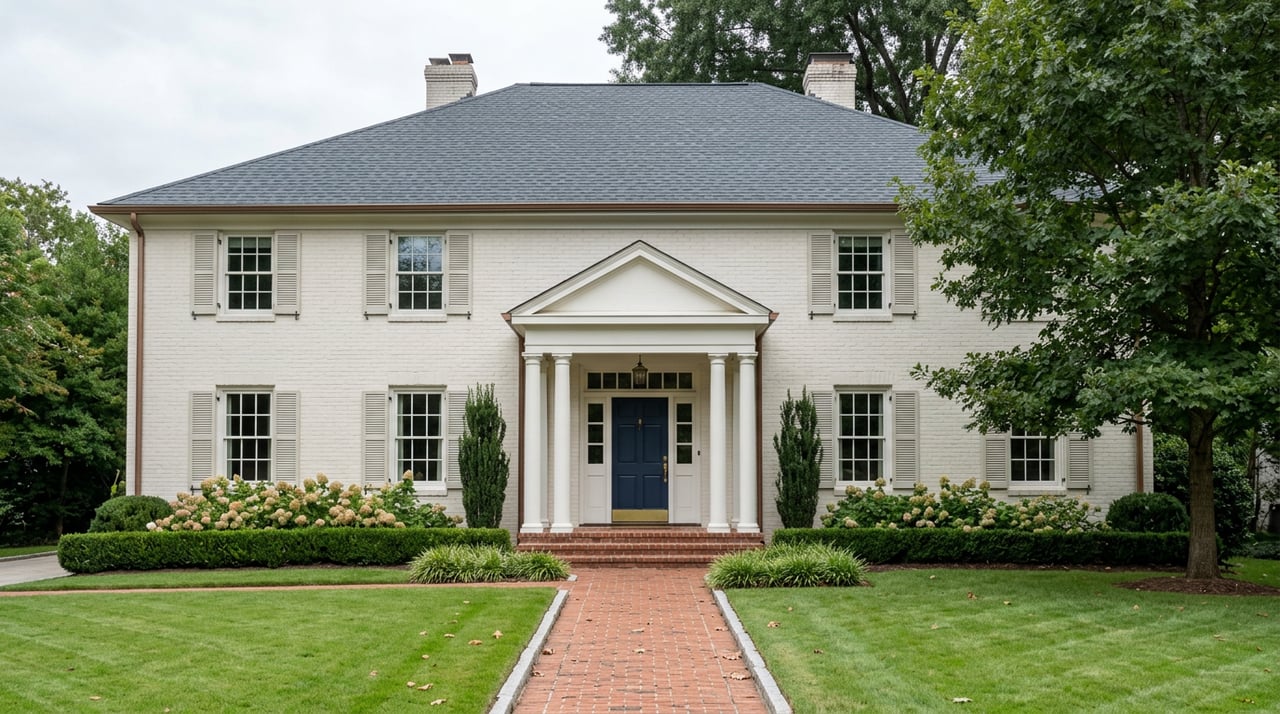
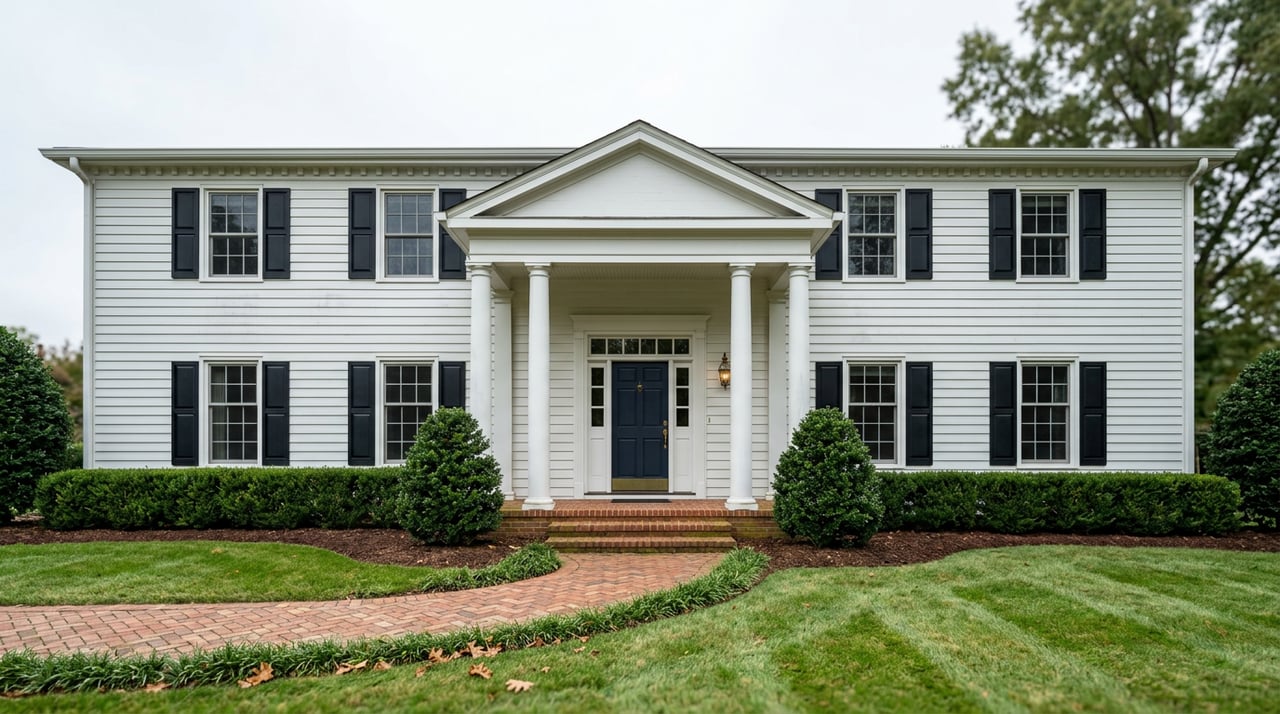
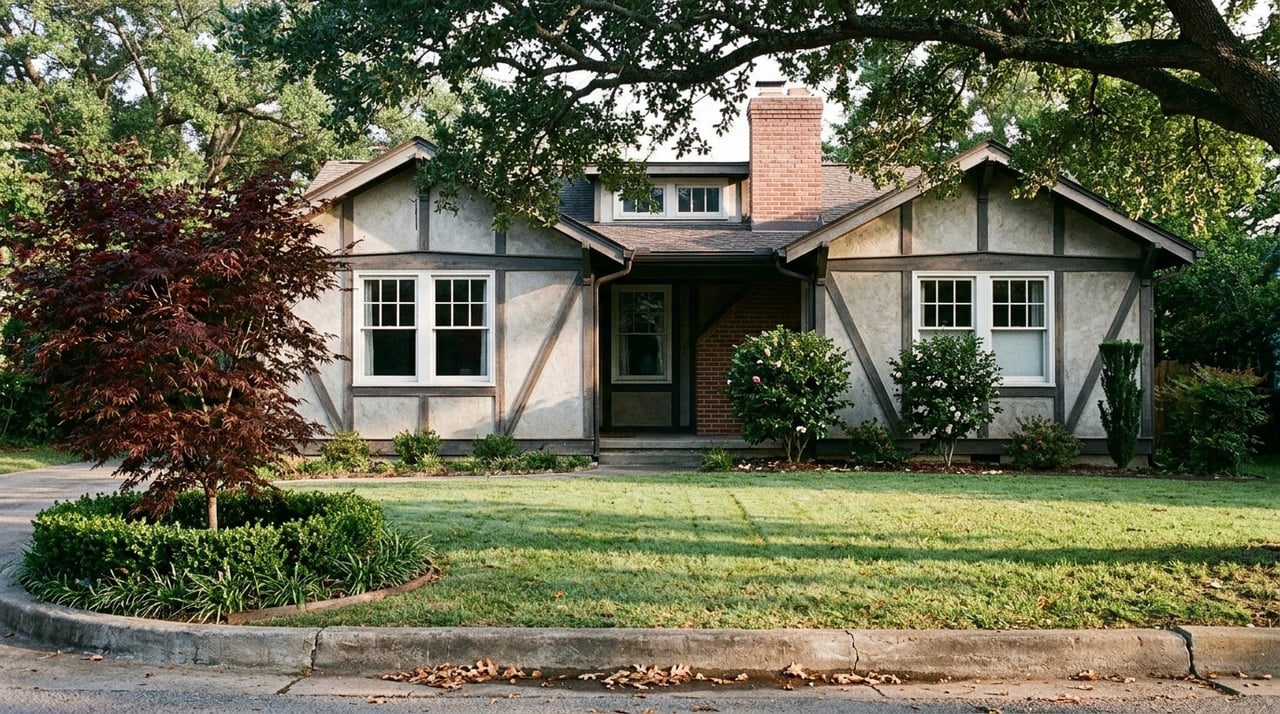
A rural estate gives you privacy, distance from neighbors, and room for outdoor living. You can create a personal retreat with gardens, a pool, a guest house, or even small equestrian features. With no shared walls, you control your environment and your routine.
Maintenance and services
You handle the entire property. That includes landscaping, exterior upkeep, pool care, and any on-site systems. Many owners hire vendors or a property manager to keep operations smooth, especially on larger parcels.
Utilities and infrastructure
In rural areas, you may find septic systems and well water. Internet speed can vary by provider and location. If you work from home or run video meetings, confirm service levels before you buy. Private roads or long driveways can add to regular maintenance.
Security and access
Estate security depends on your setup. Gate systems, cameras, alarms, and fencing are common options. Plan for how deliveries, guests, and service providers will access your property and how you want that managed.
Commute and daily life
You’ll likely drive to most errands, dining, and recreation. Commutes to Atlanta corporate centers are longer, which can work well for hybrid or remote schedules. Many owners value the quiet environment and make fewer trips into the city.
Schools and childcare
Estate buyers connect to the Morgan County public system and nearby private choices. Families often verify school boundaries and transportation options for a seamless routine.
What high-rise living offers
Amenities and services
Luxury towers in Atlanta’s Buckhead typically offer concierge service, staffed security, fitness centers, pools, meeting rooms, and social areas. You get instant access to dining, retail, and city life just outside the lobby.
Maintenance and HOA fees
Exterior maintenance, building systems, common areas, and many amenities are covered by the association. You pay monthly condo fees for these services. Inside your unit, you handle routine upkeep and improvements.
Security and access
High-rises use controlled entries, staffed desks, and cameras to manage access. Valet and package handling add convenience. This model suits frequent travelers and residents who prefer a light management load.
Commute and airport
Proximity to offices, cultural venues, and the airport is a strong draw. Shorter commutes and ride-share options reduce time spent in traffic and make evening plans easier to keep.
Schools and childcare access
Urban locations offer a wider range of private schools and public options based on zoning, plus nearby childcare and extracurricular facilities. Families often choose high-rise living for access and convenience.
Cost and ownership basics
Purchase price dynamics
Per square foot, rural estates often cost less than luxury units in premium urban towers. That said, custom estates with significant acreage or specialty amenities can equal or exceed condo prices. Market micro-locations matter.
Taxes and insurance
Property taxes vary by county, so confirm the current millage rates and assessments for any address you consider. For estates, you’ll likely carry a standard homeowner’s policy and may add coverage for flood or specialty uses. Condo owners carry a walls-in policy, while the building holds a master policy for common elements. Always review what the master policy excludes.
Fees and assessments
Estates may have no HOA or a low-fee association if in a gated community. Condo buyers should review monthly fees, reserve funding, and the building’s history of special assessments. Strong reserves and clear planning for capital projects reduce future surprises.
Financing differences
Single-family estates typically qualify for standard mortgage products. Condos add another layer. Lenders look at the project’s financial health, reserves, owner-occupancy ratio, and any litigation. In luxury price bands, jumbo financing may apply, and underwriting can be more detailed.
Long-term outlook
Resale liquidity
The buyer pool for rural estates can be narrower, especially for highly customized properties. Selling can take longer, but scarcity of larger parcels near growing metro areas can support value over time. High-rise condos in strong urban neighborhoods often draw a broader pool of buyers, though they can be more sensitive to market cycles and building-specific issues.
Appreciation drivers
For estates, location, land quality, and improvements lead appreciation potential. Access to highways and planned infrastructure improvements can make a meaningful difference. For condos, building reputation, services, walkability, and adjacent development are key drivers.
Risk factors
Estate buyers should evaluate floodplains, wetlands, septic capacity, and covenants that affect use. Condo buyers should review association minutes, reserve studies, budgets, and any known building projects. Transparent governance supports healthier resale outcomes.
Your decision framework
Use these prompts to align the purchase with your priorities:
- Lifestyle: Do you want private outdoor space or immediate access to urban amenities? How important are on-site services like concierge and valet?
- Work: What commute time is acceptable, and how often do you need quick access to the airport? Is hybrid work permanent or changing?
- Family: Which school options do you need to be near, and what activities shape your weekly schedule?
- Financial: How comfortable are you with potential special assessments in a condo? What maintenance budget suits your household for a large estate?
- Time: Do you prefer a low-maintenance, service-rich building or managing vendors on your own property?
- Resale horizon: If your timeline is short to medium, how important is buyer pool size and liquidity to you?
Due diligence checklist
Use this list to reduce risk and confirm fit:
- Title search and survey to verify boundaries and easements
- Recent appraisal and comparable sales context
- Full inspections: structural, pest, HVAC, pool, and well/septic where applicable
- Floodplain determination for insurance and resiliency planning
- Insurance quotes for the specific property and use
- Utility availability and internet speed tests for remote work reliability
- HOA or condo documents: minutes, reserve study, budgets, bylaws, and any litigation
- Local planning and zoning checks for future development and restrictions
Dual-residence strategies
For many executives, the best answer is both. A primary estate in Buckhead, Morgan County, can anchor family life, privacy, and outdoor space. A smaller, strategically located condo in Atlanta can serve as a pied-à-terre during the workweek or for travel-heavy seasons.
This hybrid approach balances quiet living with urban access. It can also spread risk across two property types with different appreciation and liquidity drivers. If this appeals to you, map your schedule and budget so each home supports a clear role.
Next steps
If you are leaning urban, you’ll find the most robust luxury high-rise inventory in Atlanta’s Buckhead and nearby intown neighborhoods. If you prefer an estate, clarify land use, utilities, and maintenance planning early. Either way, align your purchase with your daily routine, financial comfort, and long-term goals.
Ready to compare specific buildings, fees, and resale dynamics in Atlanta’s luxury towers, or to plan a dual-residence approach that fits your life? Start a private conversation with Kim Boyd for tailored guidance and a streamlined search.
FAQs
Is there luxury high-rise inventory in Buckhead, Morgan County?
- No. Buckhead in Morgan County is a small town with single-family and rural homes; true high-rise towers are located in Atlanta’s Buckhead and other intown neighborhoods.
Where are the nearest high-rise options if I live in Morgan County?
- You’ll look to Atlanta, including Buckhead, Midtown, and Downtown, for luxury towers with concierge services and on-site amenities.
How do monthly costs compare between estates and high-rise condos?
- Estates often have higher maintenance and variable utility costs, while condos have predictable monthly fees; total carrying cost depends on property specifics, taxes, insurance, and services.
What should I know about condo financing at the luxury level?
- Lenders evaluate the building’s financial health, reserves, owner-occupancy, and any litigation; jumbo loans and project approval standards can apply and may affect terms.
What commute factors matter if I live in Morgan County but work in Atlanta?
- Expect longer drives and plan for peak traffic; hybrid schedules, airport access needs, and proximity to major routes should guide your decision.
How can I simplify maintenance on a large estate?
- Build a vendor plan for landscaping, pool, and systems; consider a property manager to coordinate services and handle seasonal tasks.
Is a dual-residence setup practical for executive lifestyles?
- Yes. Many buyers maintain a primary estate for space and a smaller city condo for weekday convenience, travel, or entertainment, balancing both lifestyles.