If you are thinking about selling in Argonne Forest, you are not stepping into a typical Buckhead market. This is a tiny, high-value pocket where just a handful of sales can shape the story for the entire year. That can feel both encouraging and tricky, especially when you are trying to decide on price, timing, and how much leverage you really have. In this guide, you will see what the latest Argonne Forest numbers suggest, how they compare with the broader Buckhead backdrop, and what that means for your next move. Let’s dive in.
Argonne Forest works like a micro-market
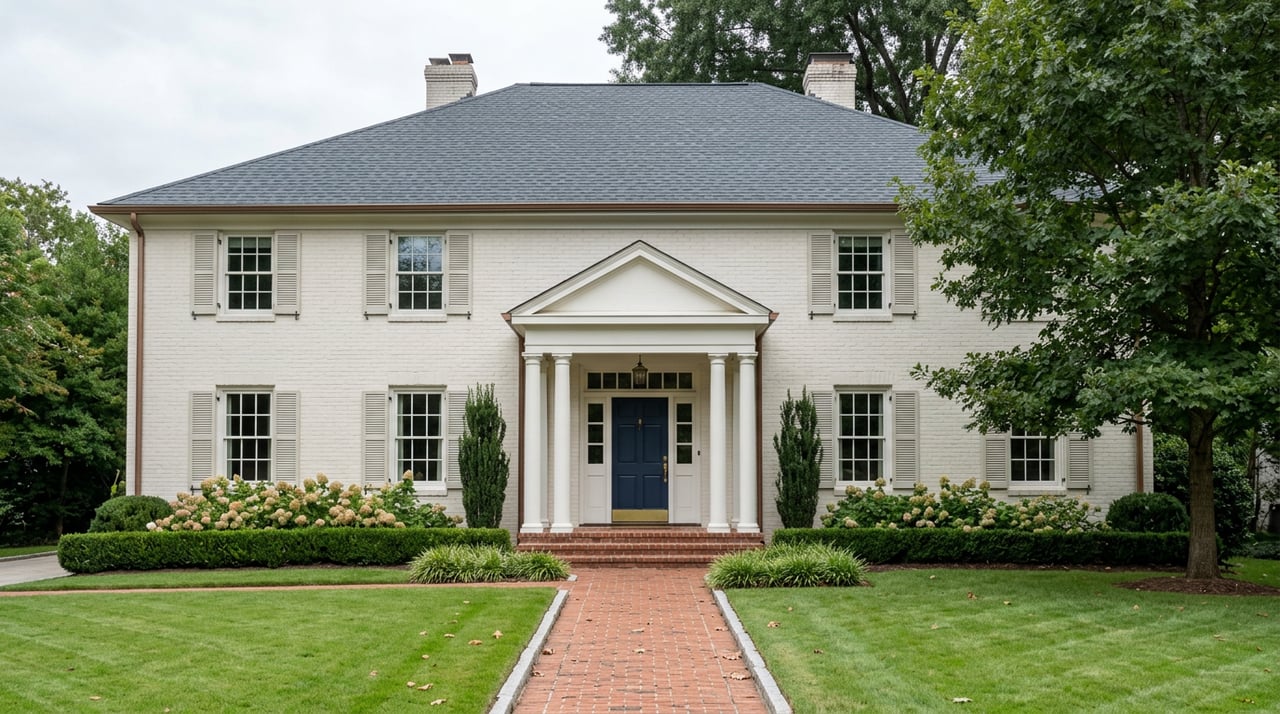
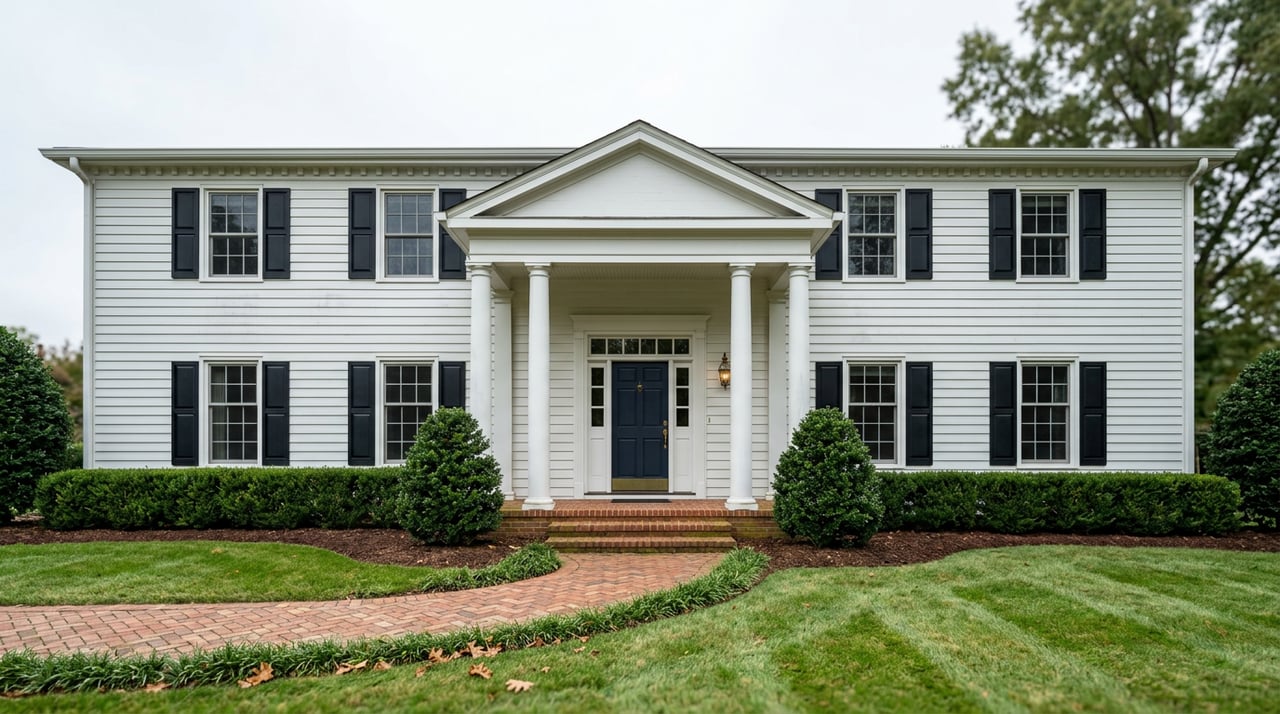
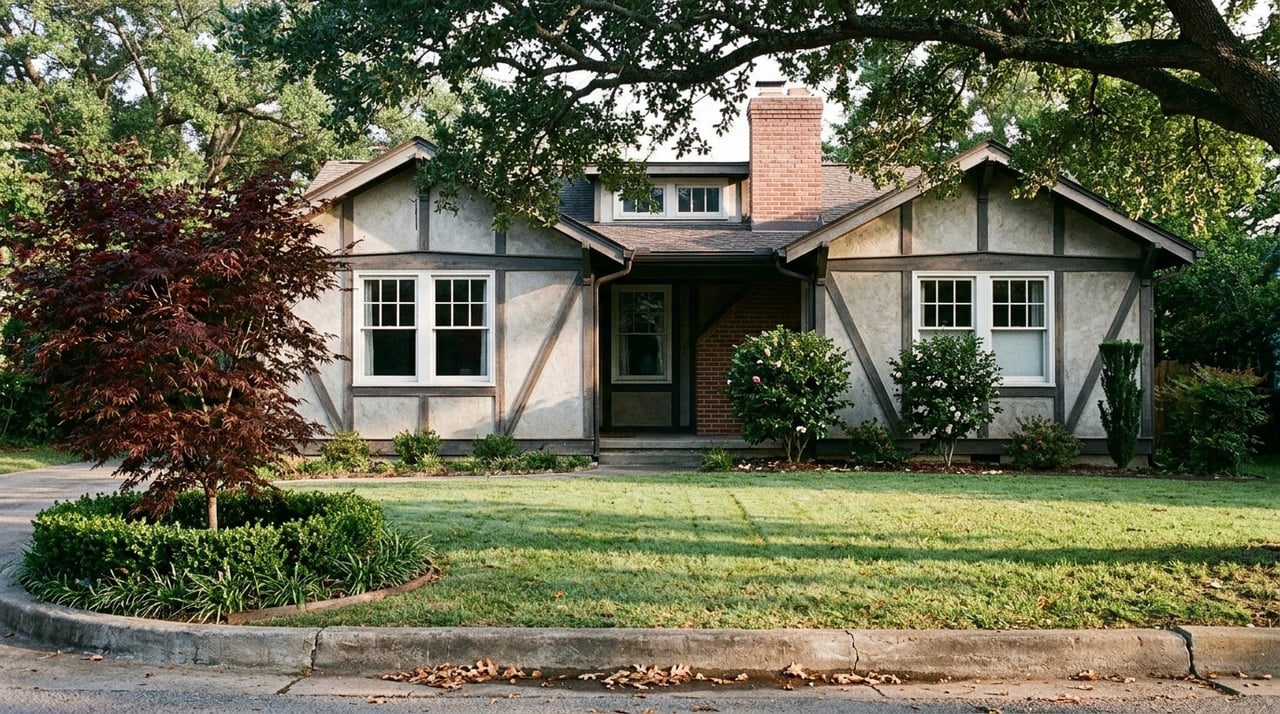
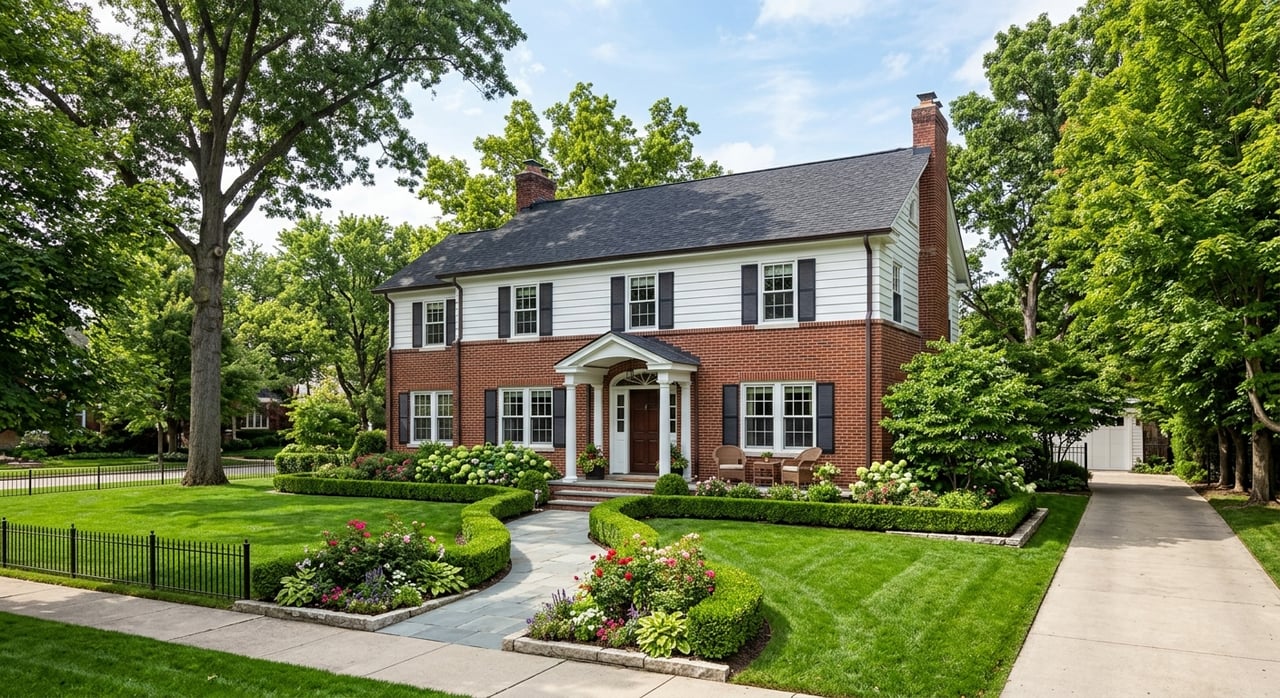
Argonne Forest is a small Buckhead enclave with fewer than 600 residents, according to local neighborhood reporting. It is known for large lots, mature trees, and a mix of original ranch homes, expanded houses, and rebuilt two-story traditional homes.
That matters because small neighborhoods do not behave like broad zip codes. When only a few homes sell each year, one teardown lot, one luxury rebuild, or one extensively updated property can shift averages in a big way.
For sellers, that means neighborhood-level data is useful, but it has to be read carefully. The most helpful pricing clues usually come from same-street, same-style, and similar-lot comparables rather than a Buckhead-wide headline number.
Recent Argonne Forest seller trends
Over the past 12 months, Argonne Forest recorded 6 home sales with an average sale price of $2,035,666, an average of 30 days on market, and a 98.47% list-to-sale ratio. A separate recent trend snapshot also pointed in the same direction, showing 27 days on market and a 3.4% discount to list in its latest reporting window.
Those figures suggest a market where strong listings can still move relatively quickly and close close to asking price. In a luxury setting, that is a meaningful signal for sellers.
At the same time, the sample size is very small. With only a few trades, you should treat averages as directional rather than absolute.
Sale prices show a wide range
Recent sold history in Argonne Forest has spanned roughly $925,000 to $3.48 million. Reported examples include a sale at $1.23 million on Argonne Drive NW, a $2.50 million sale on Arden Road NW, and a $2.80 million sale on West Paces Ferry Road NW.
The neighborhood has also seen land sales, including a 1.52-acre lot at $1.10 million and a 0.43-acre cleared lot at $890,000. That wide range reinforces a key point for sellers: price is driven by more than the neighborhood name alone.
In Argonne Forest, buyers appear to pay close attention to lot size, lot usability, buildability, and the level of renovation or replacement. A polished house on a strong lot may attract very different pricing than a dated home on a smaller or less usable parcel.
Buckhead is softer than Argonne Forest
One of the most important takeaways for sellers is that Argonne Forest is outperforming the broader market in speed. While recent Argonne Forest figures point to roughly 27 to 30 days on market, broader Buckhead reporting has shown average days on market from 73 to 91, depending on the source and time frame.
Buckhead data also shows softer conditions overall. A recent market report showed closed sales down year over year, while another market snapshot described Buckhead as a buyer’s market with a 97% sale-to-list ratio and a much larger pool of available homes.
That does not mean your Argonne Forest home should be treated like a typical Buckhead listing. It does mean buyers still have options, and they are likely comparing your property against a broader market where price reductions and negotiation remain common.
The 30305 backdrop still matters
The broader 30305 zip code also points to a more negotiable environment. As of late March 2026, reported data showed 322 homes for sale, 72 days to pending, a median sale price of $660,000, and 71.1% of sales closing under list price.
Of course, Argonne Forest homes often trade far above that median. Still, zip-code trends matter because your buyer may be weighing homes across several nearby Buckhead areas before making an offer.
For sellers, this creates an important balance. Argonne Forest may command a premium, but premium pricing still has to feel justified in the current market.
What drives value in Argonne Forest
In many neighborhoods, sellers focus first on square footage. In Argonne Forest, land and setting appear to be just as important, and sometimes more important.
Current neighborhood inventory includes properties on parcels of about 1.22 acres and 1.53 acres. Combined with recent lot sales and a broad price range in sold homes, that tells us buyers are placing real value on usable land and replacement potential.
Condition also matters. Updated or rebuilt traditional homes appear to command stronger interest than properties that need significant work, particularly when the asking price does not leave enough room for the buyer’s future plans.
Lot quality shapes buyer perception
A large lot is not just a number on paper. Buyers may look at privacy, topography, frontage, outdoor usability, and whether the parcel supports long-term flexibility.
That means two homes with similar interior square footage can perform very differently if the lot characteristics are different. In Argonne Forest, your site value may be a major part of your pricing story.
Renovation level affects negotiation
A move-in-ready house often has a better chance of attracting strong early interest. In a neighborhood where some buyers are looking for polished finishes and others are evaluating land value, presentation can influence both speed and negotiating power.
If your home is dated, buyers may compare your price against the cost of updates, carrying costs, and what else is available in Buckhead. That can lead to more requests for concessions or a wider gap between list and sale price.
What this means for your pricing strategy
The headline numbers in Argonne Forest are encouraging, but they do not support automatic overpricing. In a small luxury micro-market, ambitious pricing can work when the property truly stands out. If it does not, the broader Buckhead market may quickly pull buyers toward more negotiable alternatives.
A smart pricing strategy usually starts with the closest possible comparables. That includes recent sales with similar lot size, home style, renovation level, and street appeal.
From there, sellers should think in terms of positioning, not just aspiration. Your goal is not simply to name a high number. Your goal is to enter the market at a level that makes buyers feel the home is worth competing for.
How sellers can prepare for a stronger result
In a neighborhood like Argonne Forest, preparation is often what separates a strong launch from a listing that needs to adjust later. Buyers at this price point tend to notice details, and they also expect the pricing story to make sense.
Here are a few practical priorities:
- Lead with lot value. If your property has exceptional land, privacy, or future flexibility, that should be clear in pricing and marketing.
- Present condition honestly. Updated homes and rebuilt homes are different from properties being sold primarily for land value.
- Use narrow comparables. Broad Buckhead or 30305 averages can provide context, but close neighborhood comps are more useful.
- Plan for negotiation. Even in a strong micro-market, the wider market still gives buyers room to push.
- Time the launch carefully. In a low-turnover neighborhood, fresh inventory can draw attention, especially when there are few directly competing listings.
Why local interpretation matters more here
Because Argonne Forest sees so few sales, this is not a neighborhood where you can rely on autopilot pricing. You need to understand what sold, why it sold, and how buyers are likely to interpret your home relative to both nearby comps and the wider Buckhead market.
That is especially true when the neighborhood includes everything from older ranch homes to luxury rebuilds and vacant lots. The right strategy depends on whether buyers will view your property as a finished home, a renovation opportunity, or a land play.
For many sellers, the real advantage comes from pairing data with neighborhood judgment. That is how you avoid reading too much into broad averages and instead focus on the factors that actually shape your outcome.
If you are weighing a move in Argonne Forest, a careful, property-specific strategy can make a meaningful difference in pricing, presentation, and negotiation. For tailored guidance on how your home fits into this micro-market, connect with Kim Boyd.
FAQs
How fast are homes selling in Argonne Forest?
- Recent Argonne Forest data points to about 27 to 30 days on market, which is faster than broader Buckhead reporting that has recently ranged from 73 to 91 days.
How much are homes selling for in Argonne Forest?
- Recent neighborhood sales have ranged from about $925,000 to $3.48 million, with a 12-month average sale price reported at $2,035,666.
What affects home value most in Argonne Forest?
- Recent sales and listings suggest that lot size, lot usability, buildability, and renovation level are major value drivers in this neighborhood.
Should Argonne Forest sellers use Buckhead averages to price a home?
- Broad Buckhead data can provide context, but same-street, same-style, and similar-lot comparables are usually more useful in a small micro-market like Argonne Forest.
Do Argonne Forest sellers still need to expect negotiation?
- Yes. Even though Argonne Forest has shown strong list-to-sale performance, the broader Buckhead and 30305 markets remain more buyer-leaning, so pricing discipline still matters.