If you want a Buckhead neighborhood that feels established, green, and close to the action, Garden Hills stands out quickly. You get historic character, a range of home styles, and easy access to some of Buckhead’s best-known shopping, dining, and transit connections. For buyers and sellers alike, that mix can make Garden Hills feel both timeless and practical. Let’s dive in.
Why Garden Hills Stands Out
Garden Hills sits in Buckhead between Peachtree Road and Piedmont Road, with Pharr Road to the north and Lindbergh Drive to the south. The City of Atlanta places it in NPU-B alongside several other Buckhead neighborhoods. That location gives you an in-town setting with strong day-to-day convenience.
The neighborhood also has a distinct sense of place. The civic association describes Garden Hills as a large urban-forest neighborhood with winding streets, mature hardwood canopy, landscaped traffic islands, pocket parks, and a neighborhood pool and recreation center. That combination helps explain why the area feels established rather than cookie-cutter.
Historic Roots Shape Its Appeal
Garden Hills began in 1925 in unincorporated Fulton County and was annexed into the City of Atlanta in 1952. Its oldest streets received historic-district status in 1987, which adds another layer to the neighborhood’s identity. For many buyers, that history is part of the draw.
The federally listed Garden Hills Historic District covers a tighter area than the broader neighborhood association boundary. According to National Park Service metadata, the district is significant for community planning and development, landscape architecture, and architecture, with a period of significance from 1925 to 1949. In practical terms, that means some homes may carry historic considerations that others in the neighborhood do not.
Homes in Garden Hills Vary Block by Block
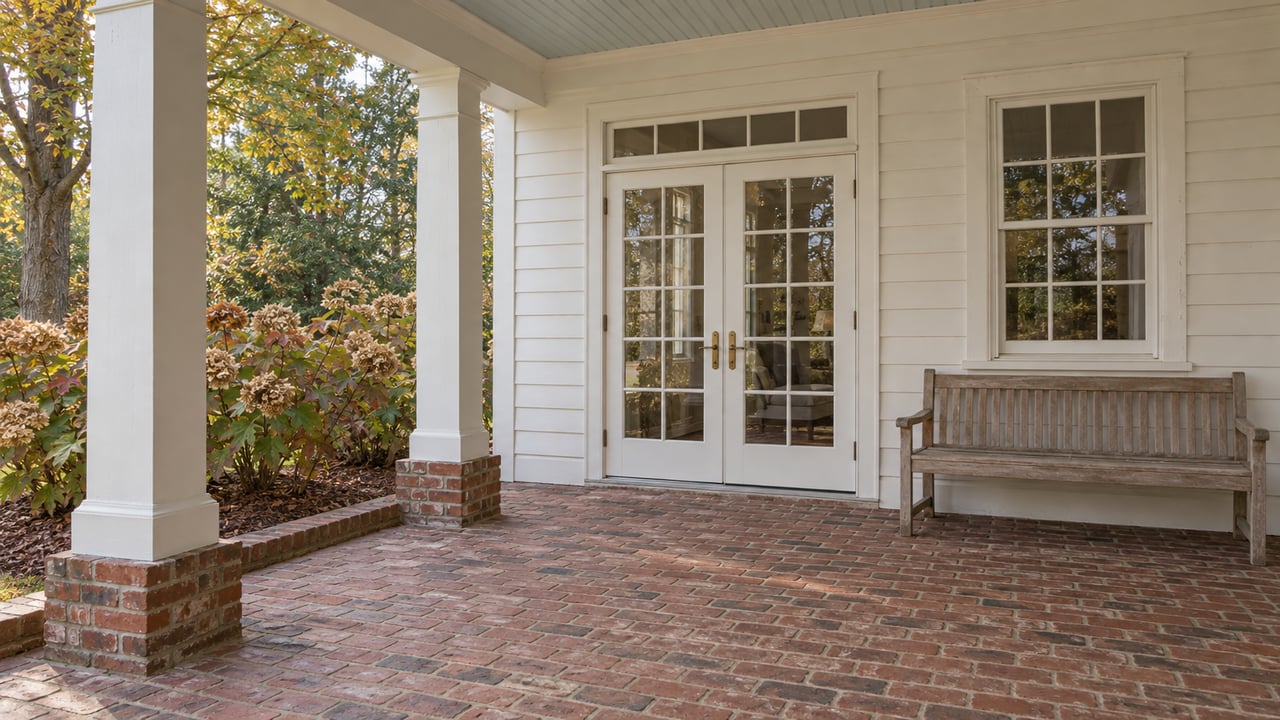
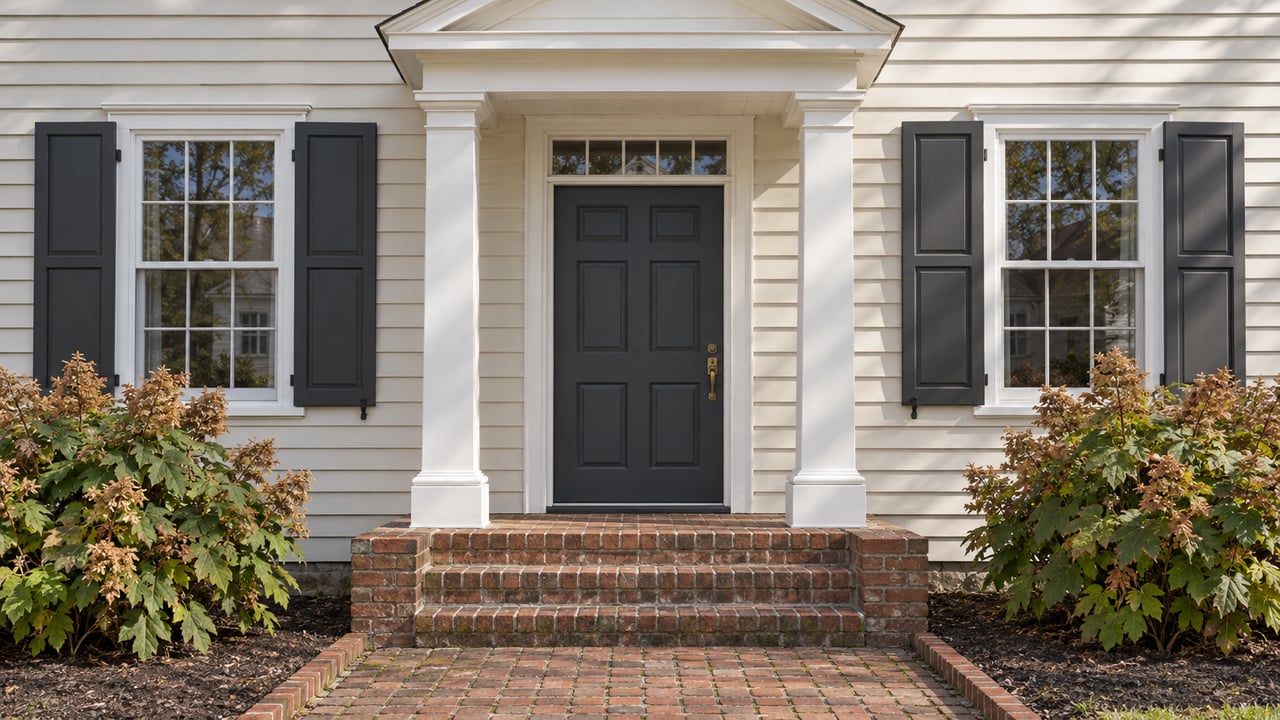
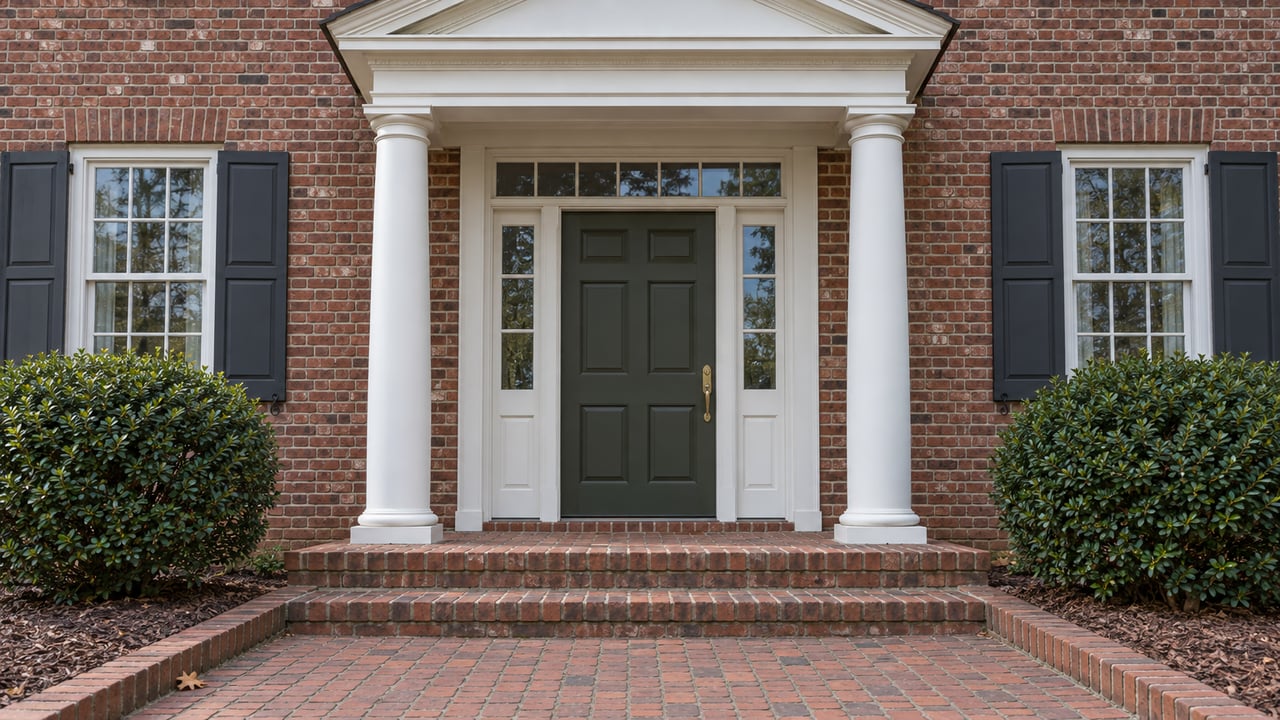
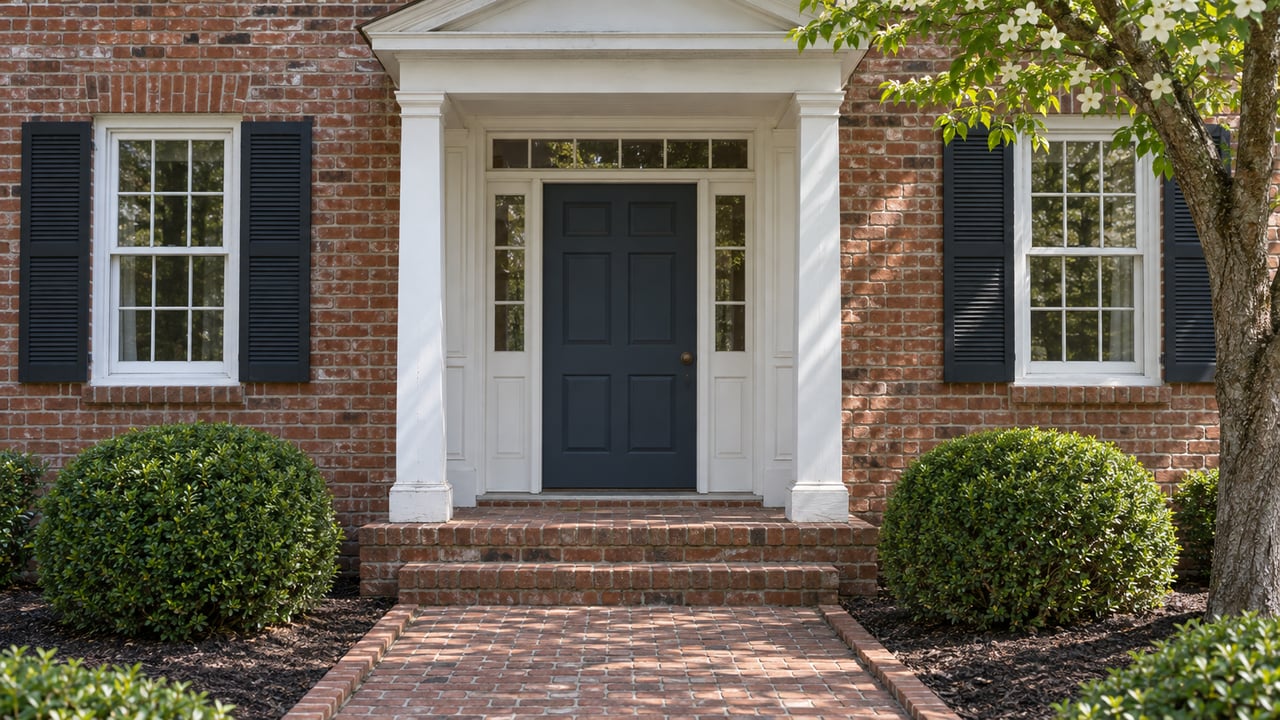
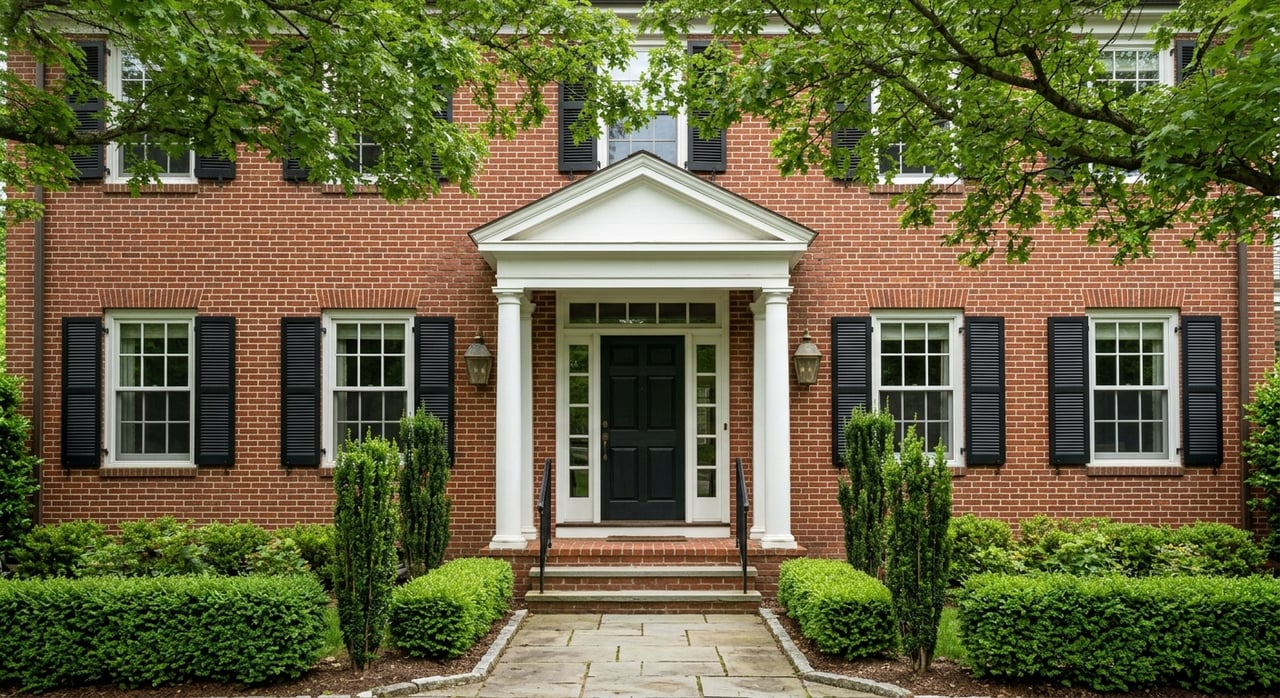
One of the most important things to understand about Garden Hills is that it is not a one-style neighborhood. The original Peachtree, Country Club, and Brentwood sections were largely built in the late 1920s and early 1930s. In those areas, the neighborhood association highlights Georgian, Tudor, Spanish Revival, and Craftsman homes.
South of East Wesley, the housing pattern shifts. Those streets are predominantly postwar ranch homes, with some later styles mixed in. Across the neighborhood as a whole, Garden Hills includes more than 750 single-family homes plus some multifamily units near commercial and institutional properties.
That mix matters if you are buying or selling here. A classic period home in the historic core, a renovated midcentury property, and a later infill home may all offer very different layouts, lot characteristics, and buyer appeal. In Garden Hills, value is often best understood on a property-by-property basis rather than by treating the entire neighborhood as one uniform market.
What Buyers Often Love Here
For many buyers, Garden Hills offers a blend that can be hard to find in one place. You get architectural variety, mature landscaping, and a neighborhood layout that feels rooted in Atlanta’s earlier growth. At the same time, you stay close to major Buckhead destinations.
That can make the area appealing if you want a home with personality but do not want to give up convenience. Instead of choosing between charm and access, Garden Hills often offers some of both. That balance is a big part of its long-term appeal.
Parks and Recreation Add Everyday Value
Garden Hills is built around neighborhood-scale amenities, and that is a meaningful part of the lifestyle. The civic association notes that the community includes the historic Garden Hills Pool, a playing field, a recreation center or clubhouse, and four city parks. Those amenities support both recreation and a strong neighborhood rhythm.
Garden Hills Park sits at the heart of the neighborhood and includes a playfield, poolhouse, playground, and recreation center. Historic Bagley Park adds baseball diamonds, tennis courts, a playground, walking trails, picnic areas, and open space. Alexander Park and Sunnybrook Park contribute wooded landscapes, with Sunnybrook Park also known for its stream corridor and stone bridges.
For a buyer, these features can shape how a neighborhood feels day to day. For a seller, proximity to established parks and recreation spaces often becomes an important part of the home story. In a neighborhood like Garden Hills, lifestyle value is not only about the house itself.
In-Town Convenience Is a Major Draw
Garden Hills offers more than curb appeal. Its Buckhead location puts you close to major shopping, dining, and daily-service destinations. That in-town convenience is one reason the neighborhood continues to attract steady interest.
Nearby Buckhead Village District is described by Discover Atlanta as an eight-block, walkable district with luxury retail and a broad dining mix. Lenox Square is also close by and remains one of the Southeast’s major shopping destinations, with more than 250 specialty stores and a wide mix of national and high-end brands.
Transit access is another practical advantage. MARTA states that Buckhead Station is on the Red Line at GA 400 and Peachtree Road, with local and shuttle bus connections. For buyers who want intown access points beyond driving, that nearby station adds another layer of convenience.
Schools and Boundaries Require a Close Look
If schools are part of your move, it is wise to verify details early. The neighborhood association lists Garden Hills Elementary, Atlanta International School, and Christ the King School as in-neighborhood options. That said, school attendance zones should never be assumed based on neighborhood name alone.
Atlanta Public Schools states that attendance zones are set by the Atlanta Board of Education and should be confirmed through the APS School Zone Locator. Garden Hills Elementary’s APS page notes that the school was built in 1938, is listed on the National Register of Historic Places, and was the first APS school authorized for the IB Primary Years Programme.
Atlanta International School’s Buckhead campus is also located in Garden Hills. AIS describes the campus as 13.5 acres, with a secondary building that is a designated historic landmark designed by Philip Schutze. The school also notes that the building originally served as North Fulton High School before being rededicated to AIS in 1996.
Historic District Questions Matter
If you are considering updates, additions, or a major renovation, historic status deserves careful attention. In Garden Hills, that issue can come into play more often than in a newer neighborhood. The answer may depend on the exact property, not just the neighborhood name.
Atlanta’s Historic Preservation office recommends checking the city’s GIS or Property Info map to determine whether a property falls within a Historic District, Landmark District, or another preservation category. From there, you can confirm whether permits or a Certificate of Appropriateness may be required. For buyers, this step can help you understand future flexibility. For sellers, it can help you frame a home’s features and limitations clearly.
What This Means for Sellers
If you are selling in Garden Hills, your strategy should reflect the neighborhood’s variety. Buyers are not comparing every home here the same way because the housing stock spans original historic homes, postwar ranches, and later updates or infill. Positioning your property well starts with understanding where it fits in that mix.
That is especially true when a home has details tied to the neighborhood’s character, location near parks, or proximity to Buckhead conveniences. Pricing, presentation, and marketing should tell a clear story about what makes your property distinct. In a nuanced neighborhood like Garden Hills, broad averages rarely tell the full story.
What This Means for Buyers
If you are buying in Garden Hills, it helps to define your priorities before you start touring homes. Are you drawn to 1920s or 1930s architecture, looking for a postwar layout, or hoping for a renovated home with newer systems and finishes? Knowing your goals can make it easier to evaluate the wide range of options you may find here.
You should also look closely at location within the neighborhood. One property may offer easier access to parks, while another may sit closer to major Buckhead retail or transit connections. In Garden Hills, small geographic differences can shape both lifestyle and long-term fit.
Why Local Guidance Matters in Garden Hills
Garden Hills rewards careful, neighborhood-specific analysis. Because the housing stock is varied and historic considerations may apply on some streets or properties, buyers and sellers often benefit from guidance that goes deeper than a simple search filter or broad market average. The details matter here.
That is where local knowledge can make a real difference. Understanding block-by-block character, property positioning, and the nuances of older homes helps you make more confident decisions. If you are considering a move in Garden Hills, Kim Boyd can help you evaluate the neighborhood with the thoughtful, concierge-style guidance this market deserves.
FAQs
What is Garden Hills known for in Buckhead?
- Garden Hills is known for its historic roots, mature tree canopy, winding streets, parks, pool and recreation amenities, and convenient Buckhead location between Peachtree and Piedmont Roads.
What types of homes are found in Garden Hills?
- Garden Hills includes Georgian, Tudor, Spanish Revival, and Craftsman homes in older sections, along with postwar ranch homes and some later infill and multifamily properties.
Is Garden Hills a historic district?
- Parts of Garden Hills fall within the federally listed Garden Hills Historic District, but the historic district boundary is tighter than the broader neighborhood boundary.
What parks are in Garden Hills?
- The neighborhood includes Garden Hills Park, Historic Bagley Park, Alexander Park, and Sunnybrook Park, along with the Garden Hills Pool and recreation amenities.
How convenient is Garden Hills for shopping and transit?
- Garden Hills offers close access to Buckhead Village District, Lenox Square, and Buckhead MARTA Station on the Red Line, which adds to its in-town convenience.
How can you confirm school zoning in Garden Hills?
- School attendance zones should be verified with the Atlanta Public Schools School Zone Locator because zoning is set by the Atlanta Board of Education and should not be assumed from neighborhood boundaries alone.
What should buyers check before renovating a Garden Hills home?
- Buyers should check whether the property falls within a Historic District, Landmark District, or another preservation category through the City of Atlanta’s property and historic preservation resources before planning major changes.