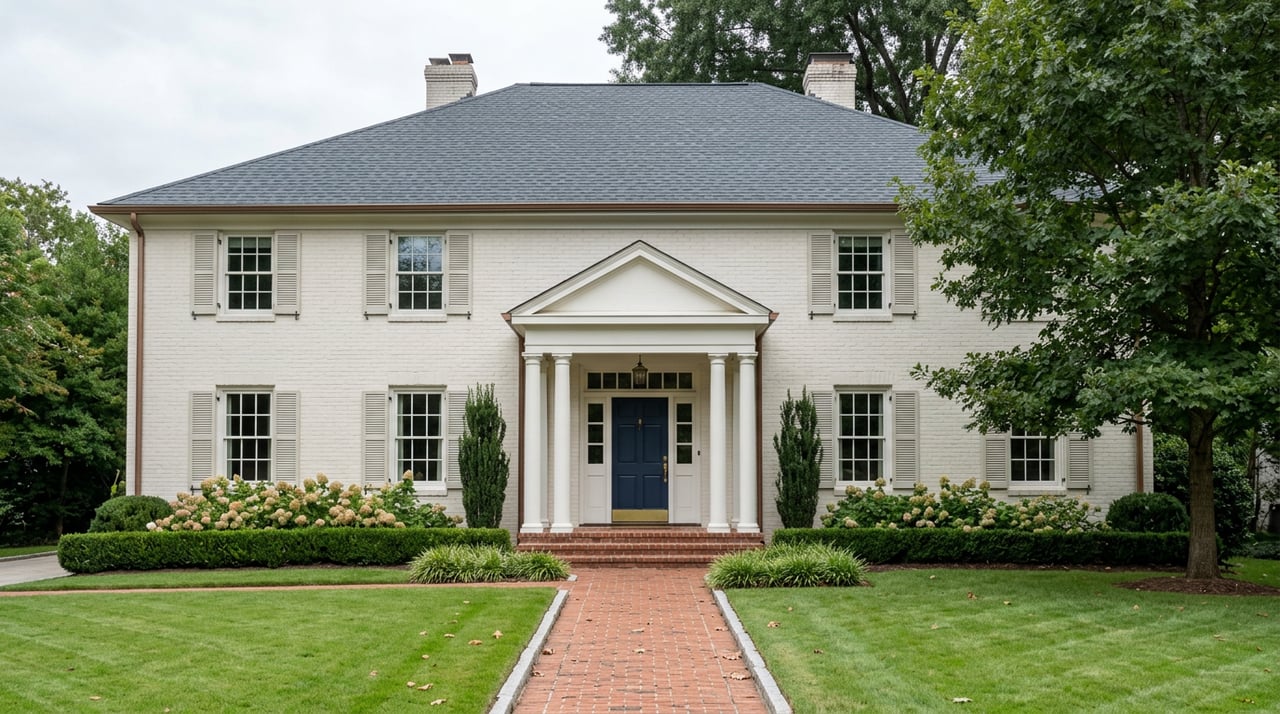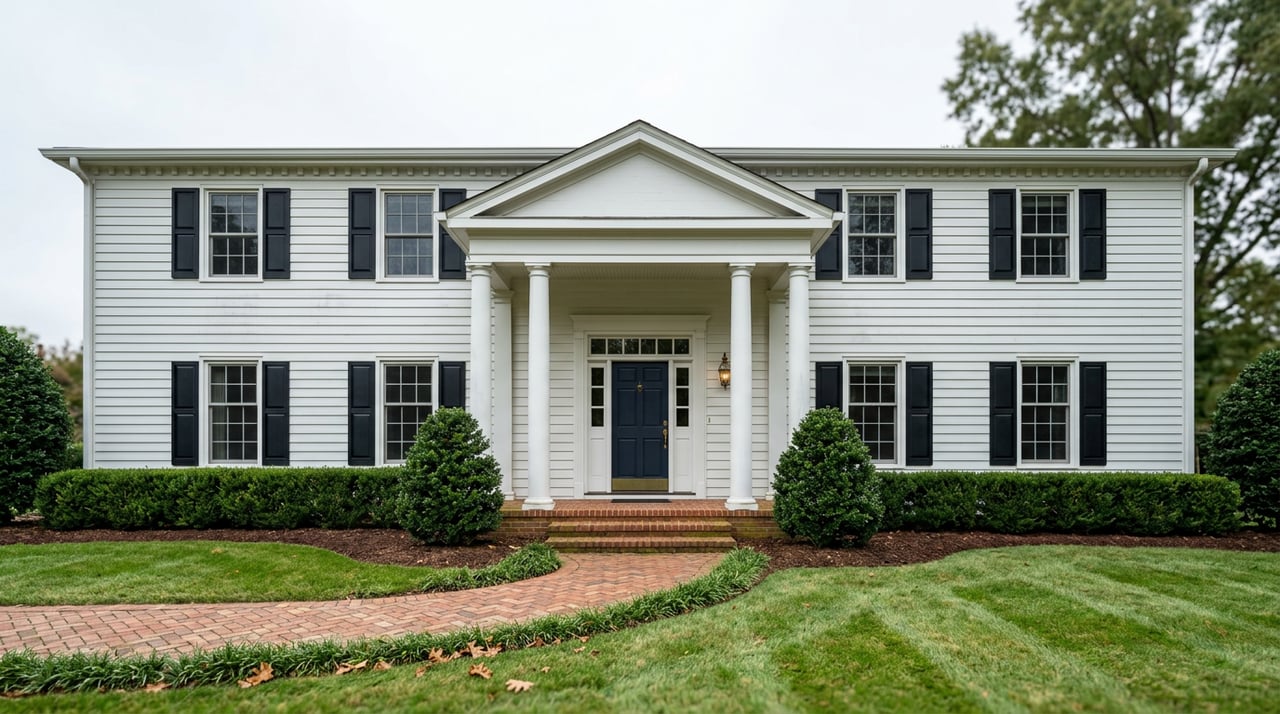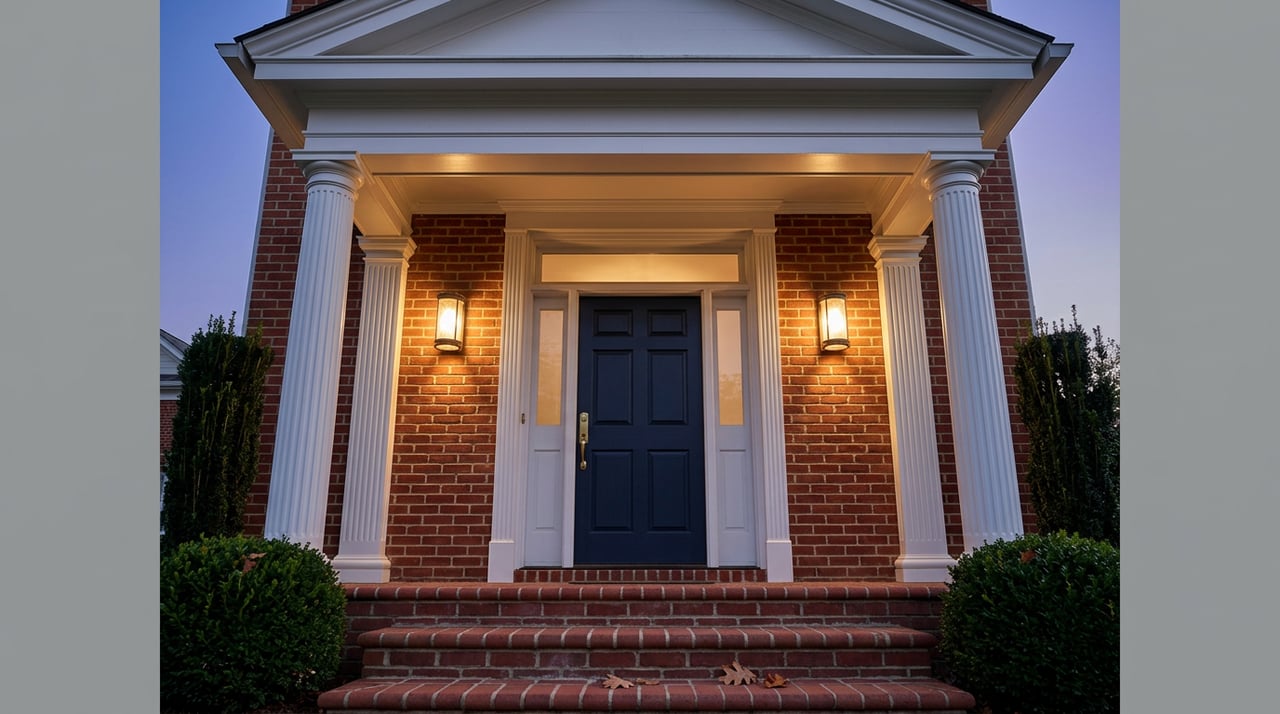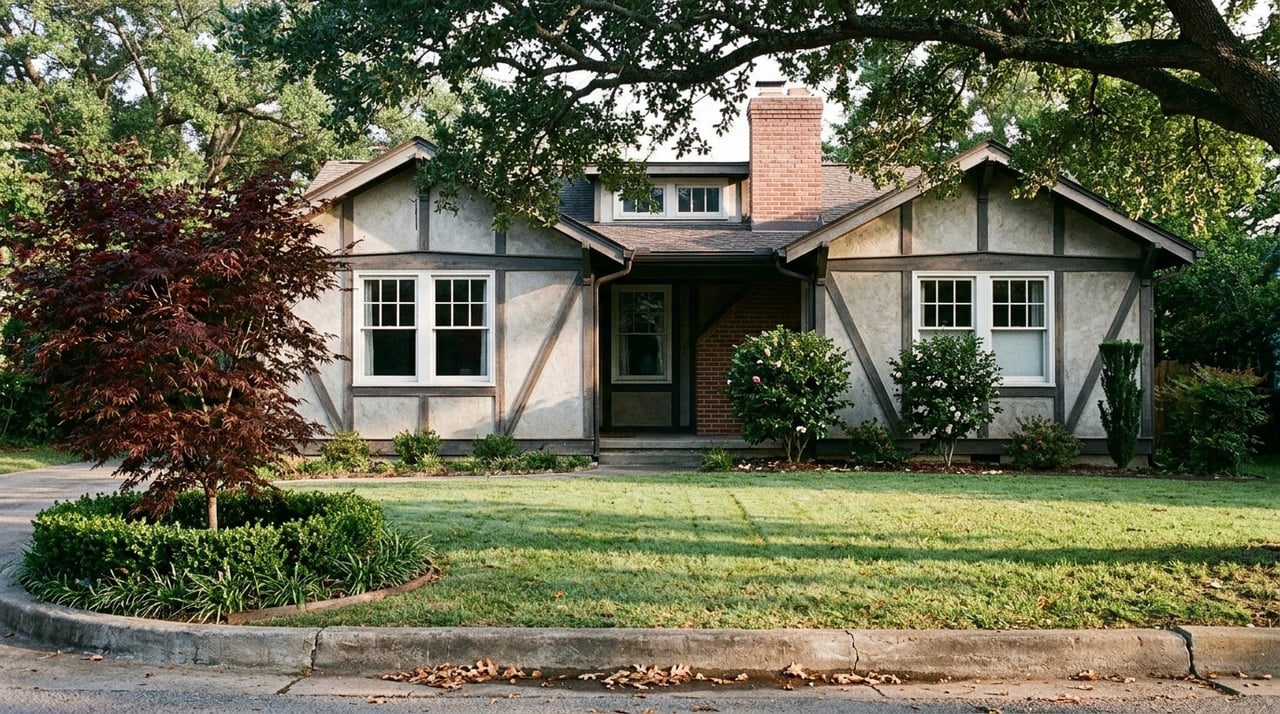
Wondering how to tell whether an Argonne Forest home is fairly priced? In a neighborhood with very few sales and a wide range of home conditions, that is a smart question. If you are buying here, you need more than a quick look at Buckhead averages. You need to understand how lot quality, renovation potential, and due diligence shape value in this small pocket of Atlanta. Let’s dive in.
Why Argonne Forest Needs a Different Lens
Argonne Forest is an officially listed Atlanta neighborhood in NPU C, which matters because it behaves like a true micro-market rather than a broad Buckhead average. That means neighborhood-wide headlines can give you context, but they should not drive your offer strategy on their own.
For example, Buckhead-wide data from Q1 2026 showed a median sales price of $709,000, 73 average days on market, 234 closed sales, and 675 homes of inventory. That helps you understand the larger market, but it is not a stand-in for Argonne Forest.
In Argonne Forest, a tiny number of sales can shift the numbers quickly. Redfin’s May 2026 snapshot showed a median sale price of $1.5 million, a 102.9% sale-to-list ratio, 92 average days on market, and only two recent sales. Another local guide reported four sales in the prior 12 months at an average of $1.93 million and 39 days on market. The lesson is simple: in Argonne Forest, small samples can create big swings.
Start With Street-Level Comparables
When you assess value in Argonne Forest, your first step is to look closely at recent sales on the same streets or within the immediate neighborhood. A broader Buckhead comp set can be useful later, but your core pricing logic should come from homes that compete directly with the one you want.
That is especially important here because the neighborhood does not trade one standard product type. You may see smaller older homes on strong lots, renovated mid-century homes, and properties that buyers value mainly for expansion or rebuild potential.
Recent Argonne Forest Sales Show the Range
Here are several recent in-neighborhood sales that help illustrate the spread:
- 3173 Argonne Dr NW: 1,518 square feet on 0.44 acres, built 1953, sold May 1, 2025 for $925,000, or about $609 per square foot
- 3077 Argonne Dr NW: 1,900 square feet on 0.42 acres, built 1954 and renovated 2000, sold November 20, 2023 for $1.32 million, or about $695 per square foot
- 3042 Argonne Dr NW: 3,300 square feet, sold June 30, 2025 for $1.23 million, or about $373 per square foot
- 3113 Marne Dr NW: 3,196 square feet, sold October 22, 2025 for $1.795 million, or about $562 per square foot
- 3200 Marne Dr NW: 4,091 square feet on 0.4 acres, built 1958 and renovated 2024, sold February 20, 2025 for $2.6 million, or about $636 per square foot
Those sales show why you cannot rely on one simple formula. A larger house can sell for less per square foot than a smaller one if the smaller property has a stronger lot, better updates, or more compelling upside.
Look Beyond Price Per Square Foot
Price per square foot is a useful check, but it is not the full story in Argonne Forest. In this neighborhood, land and improvement potential often carry as much weight as interior size.
A home marketed as a value-add opportunity may command a premium if the lot gives you privacy, room to expand, or long-term flexibility. A fully renovated home may earn a higher price because it saves you the cost, time, and uncertainty of construction.
What Usually Drives the Premium
Several factors tend to influence value most in Argonne Forest:
- Scarcity: There are few sales, so attractive opportunities can stand out quickly
- Lot quality: Size, shape, usability, and privacy can strongly affect pricing
- Condition: Original, lightly updated, and fully renovated homes can trade very differently
- Ability to improve: Expansion, renovation, or rebuild potential can influence what buyers are willing to pay
- Convenience and setting: Buyers often value the neighborhood’s wooded residential feel and access to Buckhead destinations
The Argonne Forest Association also notes that members receive a seven-day Neighborhood Security Patrol run by off-duty Atlanta Police officers, plus HomeWatch services and neighborhood alerts. While every buyer weighs services differently, private neighborhood features like these can contribute to the appeal of the area.
Build a Practical Value Framework
A smart way to assess an Argonne Forest listing is to think in three parts: the lot, the current house, and the cost to make changes. That framework keeps you focused on what you are truly buying instead of reacting only to the list price.
Based on recent neighborhood sales, original or lightly updated homes on good lots can still land in the high six figures or low $1 millions. Renovated mid-size homes often sit in the low- to mid-$1 millions. Higher-finish renovated or rebuilt homes can reach into the mid-$2 millions. This is an informed inference from a very small sample, not a formal pricing band.
Ask These Questions Before You Offer
Before you decide what a home is worth to you, ask:
- Is the lot the real value driver here?
- Is the current house move-in ready, or will you need to renovate soon?
- If you renovate, how much work is cosmetic versus structural or site-related?
- Does the home’s condition match its price compared with nearby sales?
- Are you paying for finished quality, future upside, or both?
These questions can help you avoid overpaying for a project that looks simple on paper but becomes expensive once due diligence begins.
Verify Zoning and Site Details Early
If a home has renovation or expansion potential, zoning should be part of your value analysis from the start. The City of Atlanta zoning verification process can confirm the zoning district and any overlays or recorded conditions, but it does not confirm easements, exact property dimensions, or permit history.
That means a zoning letter is a starting point, not a complete answer. You should also review the city’s GIS tools and Fulton County records to confirm parcel boundaries, map layers, and other site details tied to the property.
This step matters because buyers sometimes assume they are underwriting one set of possibilities when the actual parcel data tells a different story. In a neighborhood where land value is so important, that kind of mismatch can affect your pricing fast.
Check Permit History on Older Homes
Argonne Forest has many older homes, and many buyers are drawn to properties with renovation potential. That makes permit research especially important.
The City of Atlanta Office of Buildings open-records process can surface building permits, trade permits, inspections, and certificates of occupancy. If a house has additions, basement finishes, decks, pools, or other major improvements, you will want to confirm that the work was properly permitted and closed.
A polished showing does not always tell you what happened behind the walls. Permit history can help you understand whether a home’s current value is supported by documented work or whether you may be taking on additional risk.
Understand Tree Rules Before You Plan Changes
In a neighborhood with mature lots and a wooded feel, tree rules can directly affect what you can do with a property. If your buying plan includes site work or renovation, this is not a detail to leave until later.
Atlanta’s Arborist Division protects the city’s tree canopy, and the current process requires a formal Arborist Meeting before submitting any permit application that may affect trees. Applications without that documentation are not accepted.
That requirement can affect renovation timelines, design options, and cost. If your purchase depends on significant exterior changes, tree review should be part of your value equation before you close.
Review Flood and Drainage Conditions
Even if a property looks dry on a sunny day, flood and drainage review should stay on your checklist. A lot’s water behavior can affect both livability and future costs.
FEMA’s Flood Map Service Center is the official source for National Flood Insurance Program flood-hazard information, so buyers should check the address before closing. It is also wise to observe how the lot handles water after rain whenever possible.
In practical terms, this step helps you better evaluate site risk. A beautiful lot can still carry drainage concerns that affect your renovation budget or long-term comfort.
Confirm School Assignment by Address
If school assignment is part of your home search, verify it by the property’s legal address rather than assuming a neighborhood-wide assignment. Atlanta Public Schools says official zone boundaries are set by the Board and that the district uses the legal address in tax records.
APS notes that the North Atlanta cluster includes Morris Brandon Elementary, Sutton Middle, and North Atlanta High. Still, the right move is to confirm the exact zoned school for the specific parcel you are considering.
This is another example of why property-specific due diligence matters more than general neighborhood assumptions.
Factor in Future Property Taxes
A home’s current tax bill may not reflect what you will pay after closing, especially if the property is renovated or reassessed. Fulton County states that every property is assessed annually at fair market value.
That means a renovated home or a purchase at a higher price point can carry a tax burden that differs meaningfully from the current owner’s bill. As you assess value, make room in your budget for the possibility of reassessment.
The Bottom Line on Buying in Argonne Forest
In Argonne Forest, value usually comes down to a three-part equation: the lot, the livability of the existing house, and the cost and upside of changing that house. Buyers who focus only on broad averages or headline price per square foot can miss what is really driving the number.
A more reliable approach is to compare street-level sales, weigh condition and lot quality carefully, and verify zoning, permits, trees, drainage, school assignment, and tax exposure before you commit. That is how you get closer to true market value in a neighborhood where every property can tell a different story.
If you want experienced, neighborhood-level guidance as you evaluate Argonne Forest opportunities, Kim Boyd offers boutique, data-driven support with the discretion and local insight that matter in a tightly held Buckhead micro-market.
FAQs
How should you assess home value in Argonne Forest, Atlanta?
- Focus on street-level comparable sales, lot quality, home condition, and the cost or upside of future improvements rather than relying only on Buckhead-wide averages.
Why is price per square foot less reliable in Argonne Forest?
- Price per square foot can miss the premium tied to privacy, lot usability, renovation quality, and rebuild or expansion potential.
What due diligence matters most when buying an older Argonne Forest home?
- Key items include zoning verification, parcel and GIS review, permit history, tree rules, flood and drainage review, school assignment confirmation, and property tax planning.
What recent price range have Argonne Forest homes shown?
- Recent neighborhood sales have ranged from $925,000 to $2.6 million, depending on lot size, condition, renovation quality, and improvement potential.
How can you verify school zoning for an Argonne Forest address?
- Confirm the exact assignment by the property’s legal address in tax records through Atlanta Public Schools rather than assuming the same zoning applies to every home in the neighborhood.