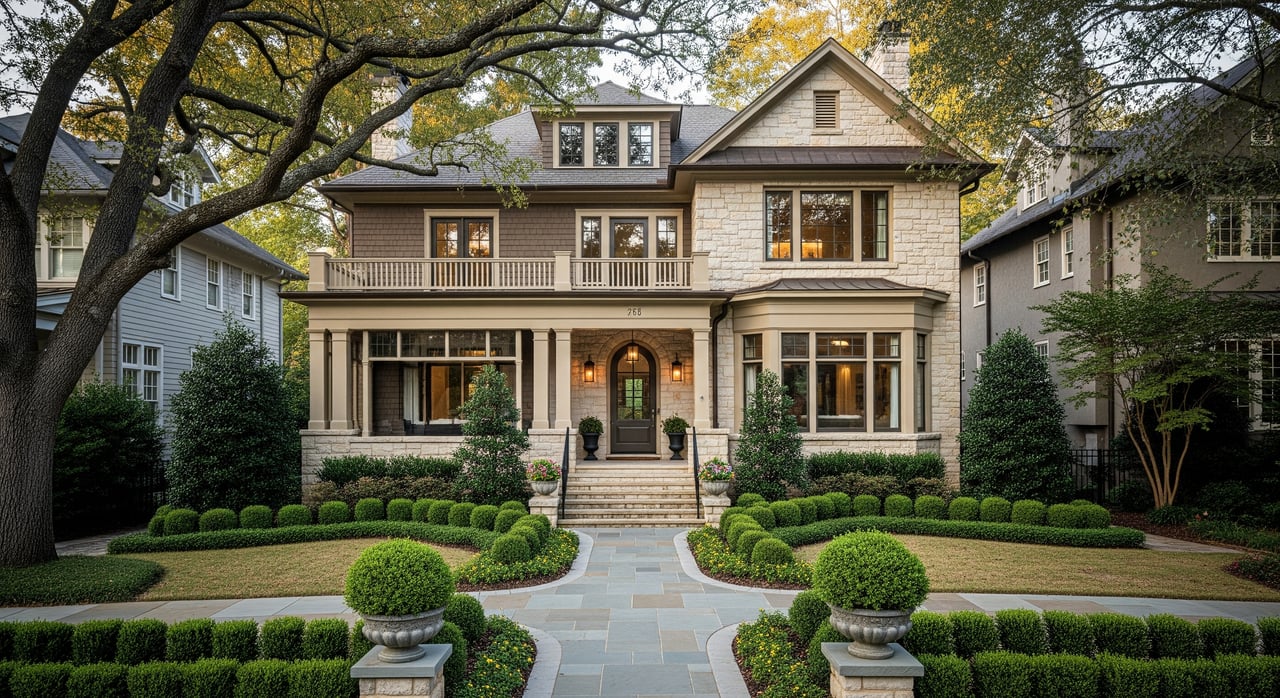
Wondering why homes in Virginia-Highland and Morningside draw such steady interest, even when the broader market feels uneven? You are not imagining it. This pocket of intown Atlanta combines character, walkability, and access in a way that is hard to duplicate. In this guide, you will learn the core lifestyle and market forces behind demand, the signals to watch, and practical strategies to succeed whether you are buying or selling. Let’s dive in.
Lifestyle drivers you can feel
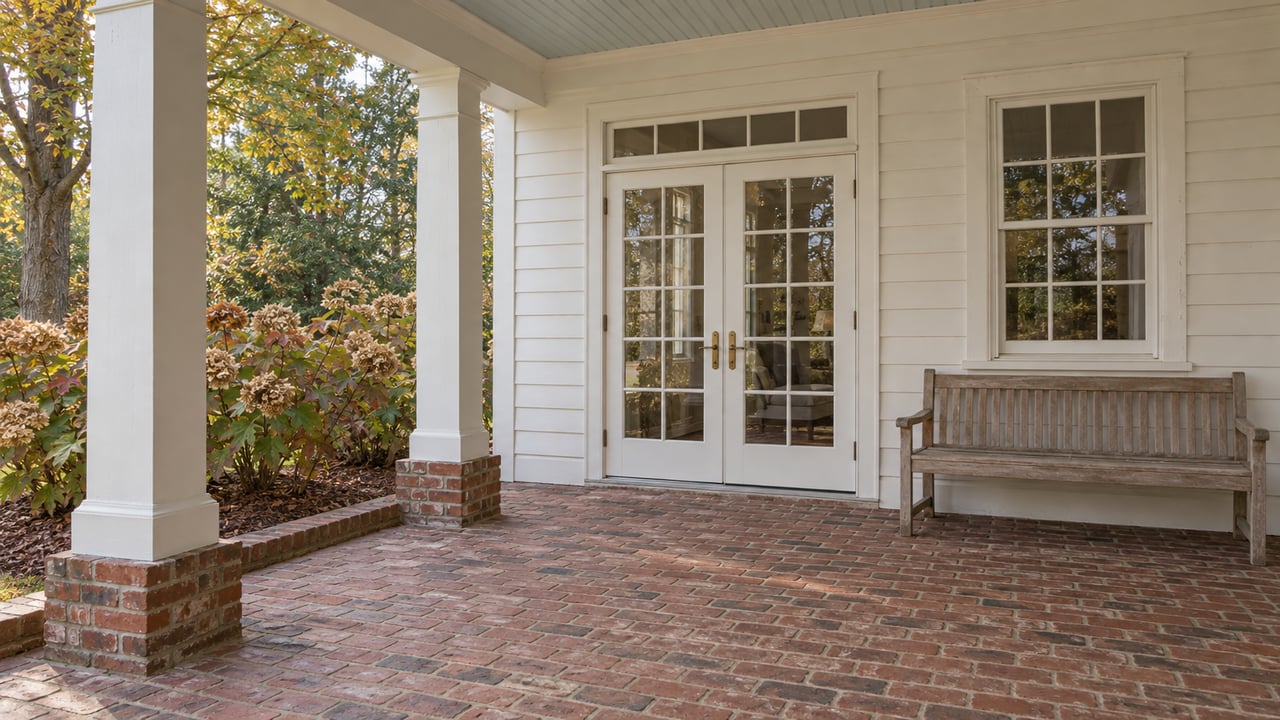
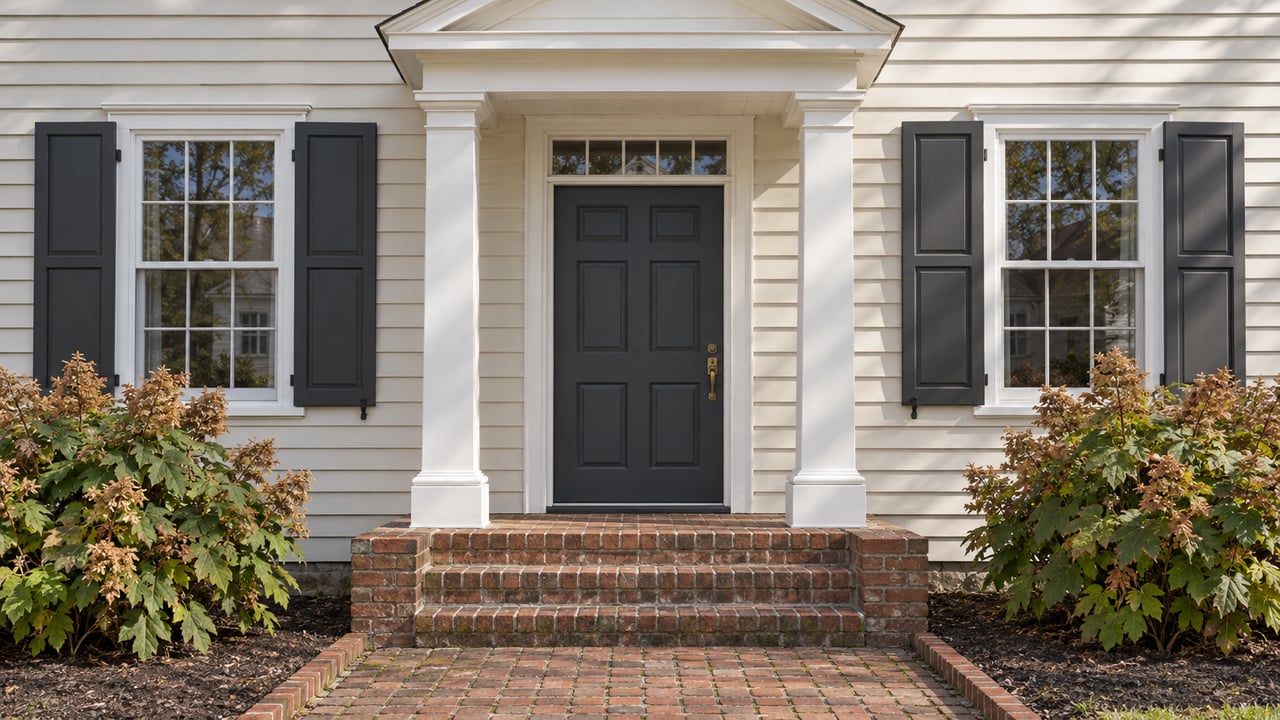
The first reason demand stays strong here is simple: the neighborhoods look and live differently. Early‑20th‑century bungalows, Craftsman cottages, and Tudor homes line leafy streets, creating a sense of place that newer subdivisions rarely match. Period details like hardwood floors, built‑ins, and welcoming porches are not just charming. When thoughtfully restored, they often command a premium.
Active civic associations reinforce that appeal. Groups such as the Virginia‑Highland Civic Association and the Morningside Neighborhood Association advocate for preservation, compatible infill, and a high‑quality public realm. This reduces unpredictable large-scale teardowns and keeps the neighborhood’s character intact, which supports long‑term value.
Walkability and village‑style retail
Walkability is a major draw. North Highland Avenue, Virginia Avenue, and destinations like Amsterdam Walk and Highland Row offer a concentrated mix of restaurants, boutiques, services, and nightlife. Many homes sit within a short stroll of daily needs, which adds convenience and community.
These areas are frequently classified by Walk Score as a “Walker’s Paradise,” signaling that most errands can be accomplished on foot. If you care about parking less and living more, that quality of life shows up in your day‑to‑day routine.
BeltLine, parks, and outdoor access
Access to greenways and parks amplifies the appeal. Proximity to Atlanta BeltLine corridors, including nearby and planned segments, improves connectivity to Midtown, Old Fourth Ward, and other in‑demand districts. Even if you are not right on the trail, quick bike or drive times to BeltLine nodes are easy to market and enjoy.
You also have recreational access through nearby parks and routes, including Piedmont Park and Freedom Park connections. For buyers who prioritize an active lifestyle, the combination of trails, trees, and neighborhood parks is a clear advantage.
Central location and simplified commutes
Location matters. Virginia‑Highland and Morningside sit close to Midtown and Buckhead, with relatively short drives to Downtown. Transit options are more limited than in dense rail‑served cities, but living here typically shortens commute distances compared with many suburbs.
When you blend that centrality with walkable retail and outdoor access, you get a rare mix: urban convenience with a true neighborhood feel.
Why supply stays tight
Strong demand is only half the story. Supply is structurally constrained here, which helps explain ongoing competition on well‑presented listings.
- Existing zoning and lot patterns: Smaller, historic lots and established setbacks limit large multi‑unit redevelopment. Infill can happen, but it tends to be incremental rather than high volume.
- Preservation culture and neighborhood engagement: Active civic groups and informal preservation norms discourage sweeping teardowns and incompatible scale. That keeps character stable and curbs rapid unit growth.
- Infrastructure and canopy goals: Concerns about parking and tree protection shape what can be built and where. That can limit density increases and large multifamily projects in core blocks.
- Permitting timelines: City requirements and variance processes can slow infill projects. When demand rises faster than new homes can be added, prices and competition typically increase on existing inventory.
What sells fastest in Morningside/VaHi
While the exact price bands change over time, certain product types consistently draw the most attention:
- Smaller, move‑in‑ready bungalows and cottages within walking distance of North Highland or other retail corridors
- Renovated historic homes that balance preserved character with modern kitchens and baths
- Townhomes and infill options promoted as low‑maintenance, close‑in living, especially near BeltLine access points
Turnkey condition matters. Buyers often weigh the time and cost of renovations heavily in a tight market, so well‑presented homes tend to attract more showings and stronger offers. Blocks near parks, retail, and BeltLine connections also tend to see quicker activity and higher price per square foot.
Read the market like a local
Neighborhood‑level data tells the real story. When you evaluate the market, focus on these metrics for Virginia‑Highland and Morningside specifically, not just citywide averages.
- Active listings: A lower count signals constrained choices for buyers and more leverage for sellers.
- Months of inventory: Under 3 months typically indicates a strong seller’s market. Roughly 4 to 6 months is more balanced. Over 6 months favors buyers.
- Median sale price and median list price: Track momentum. Compare year‑over‑year and against the broader Atlanta metro for context.
- Days on market (DOM): A shorter median signals urgency. A pattern of homes selling within 7 to 14 days is different from a 30‑day median.
- Sale‑to‑list price ratio: Numbers consistently over 100% suggest regular multiple‑offer scenarios.
- Price per square foot: Useful for comparing renovated versus fixer opportunities and for validating improvement budgets.
- Product mix: Note the share of single‑family versus townhome/condo listings. Scarce product types often move fastest.
- Permits and construction: City of Atlanta permit counts for new single‑family homes, ADUs, and teardowns can foreshadow future supply.
- Tenure trends: A shift in rental versus owner‑occupied share, based on Census and ACS data, can signal changing demand dynamics.
Always date‑stamp your data. Micro‑market numbers can change quickly with just a few sales.
Buyer strategies that work now
If you are aiming to buy in Morningside or Virginia‑Highland, preparation and clarity make the difference.
- Get fully underwritten pre‑approval and have funds documentation ready.
- Move quickly on new listings, especially in turnkey condition near retail or BeltLine access.
- Use clear, realistic terms: a thoughtful inspection timeline, credible escalation strategy, and flexibility on closing can strengthen your position. A local real‑estate attorney or your agent should advise on specific offer terms.
- Weigh tradeoffs: a smaller turnkey home here may cost more per square foot than a larger home farther out, but you gain lifestyle advantages that hold value over time.
- Ask about off‑market opportunities: in tight segments, private options can provide an edge.
Seller playbook for stronger results
The same demand drivers that make buying competitive can help you sell with confidence when you prepare well.
- Price with neighborhood comps: Use the last 90 to 180 days of sales and current DOM patterns in Morningside and VaHi, not generic city averages.
- Elevate presentation: targeted updates to kitchens and baths, fresh paint, lighting, and curb appeal can produce outsized returns in this market.
- Market the lifestyle: highlight walkability, historic character, nearby retail nodes, parks, and BeltLine connectivity. Buyers respond to the full picture.
- Time it smartly: spring is often busiest, but tight inventory can make demand resilient year‑round. Use months of inventory and new‑listing velocity to choose your window.
- Prepare for multiple offers: clear disclosure packages, defined decision timelines, and strong negotiation help you convert interest into the right outcome.
BeltLine and price expectations
Proximity to BeltLine access points often correlates with higher buyer interest and stronger activity. While the exact premium varies by property and condition, the perceived connectivity to popular districts supports pricing and reduces time on market. If you are comparing homes within the neighborhood, factor in trail access and walkability alongside renovations and lot specifics.
How to talk value with confidence
Whether you are buying or selling, anchor your plan in neighborhood‑level facts and recent examples. Three reference points can keep you on track:
- Recent comps: Compare at least three to five relevant sales for your target home type, size, and condition within the last 6 to 12 months.
- Live competition: Review active listings that a buyer would consider instead of your home, or that you would consider if you are buying.
- Trend checks: Confirm whether inventory, DOM, and sale‑to‑list ratios are tightening or loosening compared with the last 3 and 12 months.
These steps help you set realistic expectations and avoid overpaying or underpricing.
Timing and seasonality
Seasonal patterns still exist, with spring usually busier. Even so, low inventory can keep demand steady across the year. If you are on the buy side, readiness can matter more than timing. If you are selling, a well‑prepared listing that leans into lifestyle advantages can perform well outside of peak months.
Bottom line
Virginia‑Highland and Morningside stay in demand because they deliver a rare mix of historic charm, village‑style walkability, park and BeltLine access, and a central location. Layer in preservation culture and supply constraints, and you get a micro‑market where well‑presented homes attract consistent attention. If you plan to make a move, align your strategy with neighborhood‑level data and a tailored plan.
Ready to navigate Morningside/VaHi with discretion and an edge? Connect with Kim Boyd for a confidential consultation and a plan that fits your goals.
FAQs
Is inventory lower in Virginia‑Highland and Morningside than the city overall?
- It often is, because preservation culture, smaller lots, and slower infill limit new supply compared with broader Atlanta, which supports tighter months of inventory locally.
How fast do homes sell in Morningside/VaHi?
- Well‑presented homes near retail corridors, parks, or BeltLine access points tend to move quickly, reflected in shorter days on market and strong sale‑to‑list ratios.
What types of homes get multiple offers here?
- Move‑in‑ready bungalows and renovated historic homes, plus low‑maintenance townhomes near paths or retail, often see the most competition when priced with recent comps.
Does BeltLine proximity really affect prices in these neighborhoods?
- Proximity often correlates with higher demand and stronger activity because it enhances connectivity and lifestyle, which can support higher price per square foot.
Are new builds coming that could change supply soon?
- Large, rapid increases are unlikely due to zoning, lot patterns, and permitting timelines; permit counts and infill activity tend to reflect incremental, not sweeping, growth.
When is the best time to list a home in Virginia‑Highland or Morningside?
- Spring is typically the busiest, but in tight inventory cycles, well‑prepared listings can perform year‑round; use current months of inventory and new‑listing trends to choose timing.