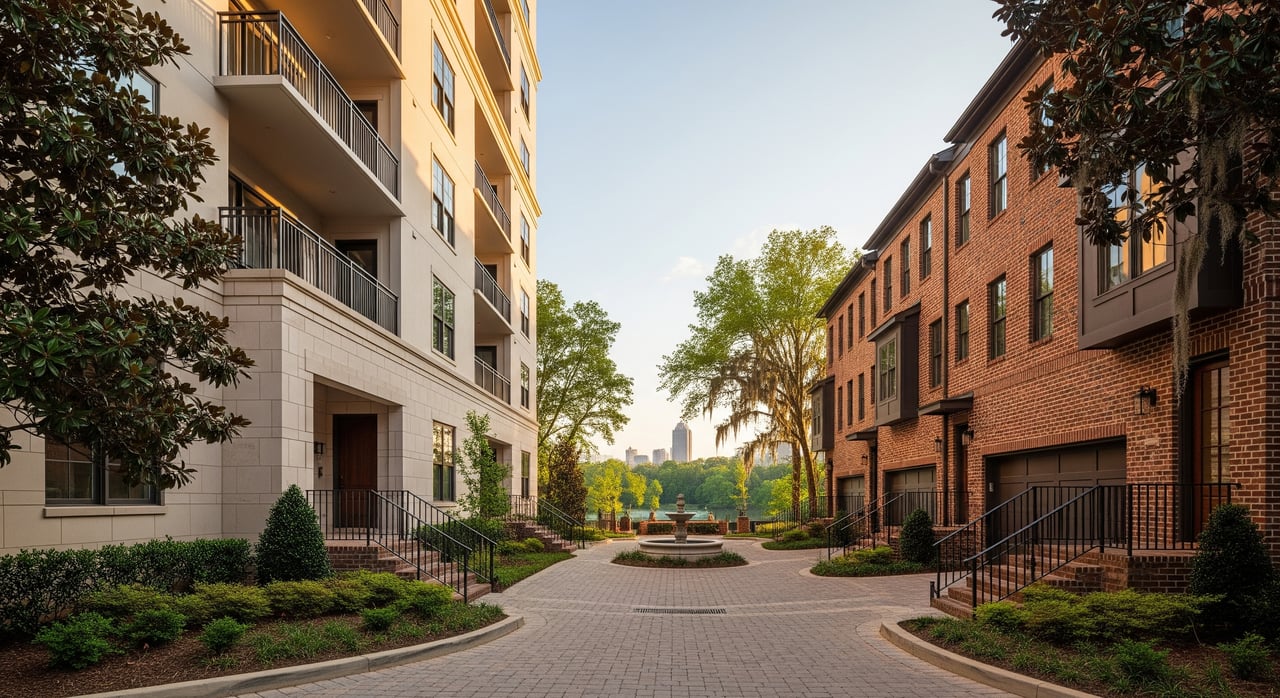
Are you dreaming of low-maintenance living near Vinings Village but unsure whether a condo or a townhome fits your lifestyle best? You want easy days, predictable costs, and a location that supports the way you work and unwind. In this guide, you’ll learn how condos and townhomes compare in Vinings, from HOA coverage and insurance to walkability, privacy, and parking, so you can choose with confidence. Let’s dive in.
Vinings at a glance
Vinings sits in Cobb County just northwest of Atlanta’s Buckhead and Cumberland area, beside the Chattahoochee River. The heart of the community is Vinings Village, a compact, walkable pocket of restaurants, shops, and offices. Outside the village, the area becomes more car-oriented with limited sidewalks in some spots.
Regional routes like I-75 and I-285 serve Vinings. There is no MARTA rail station in Vinings, so most residents drive or use park-and-ride options. Proximity to Buckhead and Cumberland can reduce commute time for some, but traffic concentrates during peak hours. If walkability is important, focus on developments within a short stroll of the village and test the walk in person at different times of day.
Condo vs. townhome ownership
What you own
- Condos: You typically own the interior of your unit and a share of the common elements, such as the roof, exterior envelope, grounds, hallways, and building systems. The condo association is responsible for maintaining those common elements.
- Townhomes: You usually own the unit and the land beneath it. Many townhomes sit in an HOA, but who maintains the roof and exterior varies. Some townhome communities function almost like condos, while others leave more exterior care to owners.
HOA governance and documents to review
For both property types, review the full HOA package before you make assumptions about cost or control. Ask for:
- Declaration/CC&Rs, bylaws, rules and regulations
- Current budget, recent financial statements, and the most recent reserve study
- Insurance certificate with details on coverage and deductibles
- Meeting minutes from the last 12 months
- Current assessment schedule and any special assessments
- Vendor contracts and any pending litigation disclosures
Pay close attention to the master insurance policy type. A “bare walls” policy typically covers the structure and exterior. An “all-in” policy may extend to interior walls and fixtures. These details affect your personal insurance needs and risk exposure.
Monthly costs and insurance
Comparing costs begins with understanding exactly what each HOA covers.
- HOA dues: In condos, dues often cover exterior maintenance, building systems, roof, grounds, trash, and amenities like a pool or gym. Townhome dues may be lower if you handle exterior items, though some townhome HOAs include roof and exterior care. The budget and amenities drive dues, not the label.
- Property taxes: Assessed by Cobb County based on taxable value. Townhomes that include land may be assessed differently than condo units. Review county tax records for specific properties.
- Insurance: Condo owners typically carry an HO-6 policy for interior improvements, personal property, and liability. Townhome owners often need dwelling coverage with higher limits because they own more of the structure and land. Align your policy with the HOA’s master policy.
- Utilities and services: Some communities include water, trash, or cable/Internet in the HOA fee. Others bill these directly to owners.
- Maintenance and repairs: Condos shift most exterior costs to the association. Townhome owners may be responsible for roofs, siding, decks, and landscaping unless the HOA covers them.
- Capital projects and special assessments: Review reserve studies, current reserve balances, and special assessment history. Low dues and weak reserves often lead to special assessments later.
Tip: Always compare two things side by side for each property you tour. First, what your monthly dues cover line by line. Second, the HOA’s financial health and reserve plan. This helps you spot true cost differences beyond the sticker price.
Maintenance and lifestyle
Ease of living
- Condos: Best for turn-the-key simplicity. The HOA typically handles exterior maintenance, landscaping, trash, and building systems. Single-level units and elevator buildings are especially comfortable for anyone seeking minimal upkeep.
- Townhomes: Many offer a lock-and-leave vibe, often with garages and small yards. But you may still handle roof and exterior repairs unless the HOA covers them. Newer townhome projects sometimes include full exterior maintenance, which narrows the lifestyle gap with condos.
Privacy and noise
- Condos: Stacked living means neighbors above and below, plus shared corridors. Soundproofing varies by construction and age.
- Townhomes: You share side walls but rarely have neighbors above or below. Private entrances, garages, and vertical separation often feel more private.
Outdoor space and parking
- Townhomes: Usually provide a private garage and more storage, plus a deck, patio, or small yard.
- Condos: Often include a balcony and access to shared amenities. Parking may be assigned spaces in surface lots or garages, with specific guest parking rules. Near Vinings Village, on-street parking can be limited, so check guest policies.
Proximity and walkability
“Walkable to Vinings Village” depends on the specific block and development. Some condos sit a short stroll from restaurants and shops, while many townhomes are farther out and more car-dependent. Do an on-site walk at different times of day and note sidewalk connections, lighting, hills, and traffic crossings. If your daily rhythm includes frequent dining or errands, this step is essential.
Who tends to choose what
For downsizers
- Prioritize single-level condos or elevator buildings for easy access.
- Look for robust HOA services that reduce upkeep.
- Confirm the HOA’s reserves and special assessment history for predictable costs.
- Verify parking convenience, guest parking options, and secure access.
For busy professionals
- Balance walkability to the village with commute routes to Buckhead and Cumberland.
- Consider townhomes with private garages, extra space for a home office, and minimal exterior obligations.
- Evaluate amenity sets versus dues. A fitness center or pool can be a lifestyle win if you will use it.
Two real-world scenarios in Vinings
These examples illustrate how lifestyle and costs can differ even within the same neighborhood.
Scenario A: Single-level condo near the village
- Lifestyle: Stroll to dining and coffee, elevator from parking, single-level living, and shared amenities like a pool or fitness room.
- Costs: Dues often cover exterior maintenance, building systems, landscaping, and amenities. Your personal HO-6 policy covers interiors and belongings.
- Fit: Ideal if you value low maintenance, easy accessibility, and a short walk to daily conveniences.
Scenario B: Three-story townhome with garage
- Lifestyle: Private entry, attached garage, more square footage across multiple levels, and a deck or small yard.
- Costs: HOA dues may be lower, but you could be responsible for the roof, siding, decks, and landscaping unless the HOA covers them. Insurance typically requires higher dwelling coverage.
- Fit: Great if you want more privacy, storage, and parking, and you are comfortable with stairs in daily life.
Decision checklist: condo vs. townhome
Use this list to compare options during tours and while reviewing documents.
- Scope of HOA services: roof, exterior paint, gutters, pest control, trash, landscaping, snow/ice, building systems
- HOA financial health: current budget, reserves, special assessment history
- Insurance responsibilities: master policy type, owner policy requirements
- Layout and accessibility: single level vs. multi-level, elevator access
- Privacy and noise exposure: stacked units vs. shared side walls
- Parking: assigned spaces, garage, guest parking rules and availability
- Proximity: distance to Vinings Village, commute routes, and transit connections
- Amenities vs. dues: pool, gym, concierge, structured parking, elevators
- Rules: rental policies, short-term rentals, pet rules, and exterior modification guidelines
- Resale factors: building age, maintenance track record, governance quality
Questions to ask before you write an offer
Bring this list to the listing agent or HOA representative:
- What exactly do the HOA dues cover, line by line? Are any utilities included?
- What is the current fee, and when was it last changed?
- Is there a recent reserve study, and what is the current reserve balance?
- Are any capital projects planned or special assessments pending?
- Is the association involved in litigation or insurance claims?
- What are the rules on rentals and short-term rentals?
- What does the master insurance policy cover, and what are the deductibles?
- Are pets allowed, and are there size or number limits?
- Who manages the community, and how long is the contract?
- How many parking spaces are assigned, what are guest rules, and is there a fee for an extra space?
- What are average utility costs for this unit?
- Any recent issues with water intrusion, pests, mold, or structural concerns?
- What storage options exist for bikes, seasonal items, or extra belongings?
- For townhomes: Who handles roof, siding, and deck repairs?
What your inspector should dig into
For condos
- Roof and façade condition, balcony safety, and any signs of water intrusion
- Elevator maintenance records and performance
- Garage or parking structure condition, if applicable
- HVAC age, service records, and access to mechanicals
- Noise transfer between units at different times of day
For townhomes
- Foundation, grading, and drainage around the unit
- Roof age and shingle condition, plus responsibility for replacement
- Exterior siding, decks, and attached elements
- Shared wall fireblocking and soundproofing
- Garage and driveway condition, including water intrusion
For both
- Evidence of pests and HVAC duct cleanliness
- Any recent insurance claims on the building or community
- Smoke and carbon monoxide detectors and general code compliance
The bottom line for Vinings buyers
In Vinings, the condo vs. townhome decision depends less on labels and more on three verifiable factors: what the HOA covers, the association’s financial health, and the unit’s physical attributes, including layout, parking, and exterior responsibilities. If you want low-maintenance living near Vinings Village, single-level condos or elevator buildings with solid reserves often deliver the most predictable experience. If you prefer more space and a private garage, select townhome communities can offer similar convenience, provided you confirm who handles the exterior and how the HOA is funded.
Ready to compare specific buildings and communities in Vinings and design a tour plan that matches your lifestyle? Request a Confidential Consultation with Kim Boyd for tailored guidance and access to both on- and off-market opportunities.
FAQs
What are the biggest cost differences between Vinings condos and townhomes?
- Condos often have higher dues that cover more services, while townhomes may have lower dues but leave owners responsible for roofs and exterior items unless the HOA includes them.
How do HOA reserves affect my risk as a buyer in Vinings?
- Strong reserves and a recent reserve study reduce the likelihood of special assessments and help keep long-term costs predictable.
Is Vinings walkable if I want to be near restaurants and shops?
- The Vinings Village core is walkable, but many neighborhoods outside it are car-oriented, so verify walkability for each specific development.
What insurance do I need for a Vinings condo vs. townhome?
- Condo buyers typically carry an HO-6 policy for interiors and belongings, while townhome buyers usually need dwelling coverage with higher limits since they own more of the structure.
Are townhomes always cheaper to own than condos in Vinings?
- Not necessarily; it depends on what the HOA covers, the amenity set, and the community’s reserve funding and maintenance responsibilities.
What should downsizers prioritize when touring Vinings properties?
- Look for single-level layouts or elevator access, robust HOA coverage, strong reserves, convenient parking, and an easy walk to daily amenities if that matters to you.