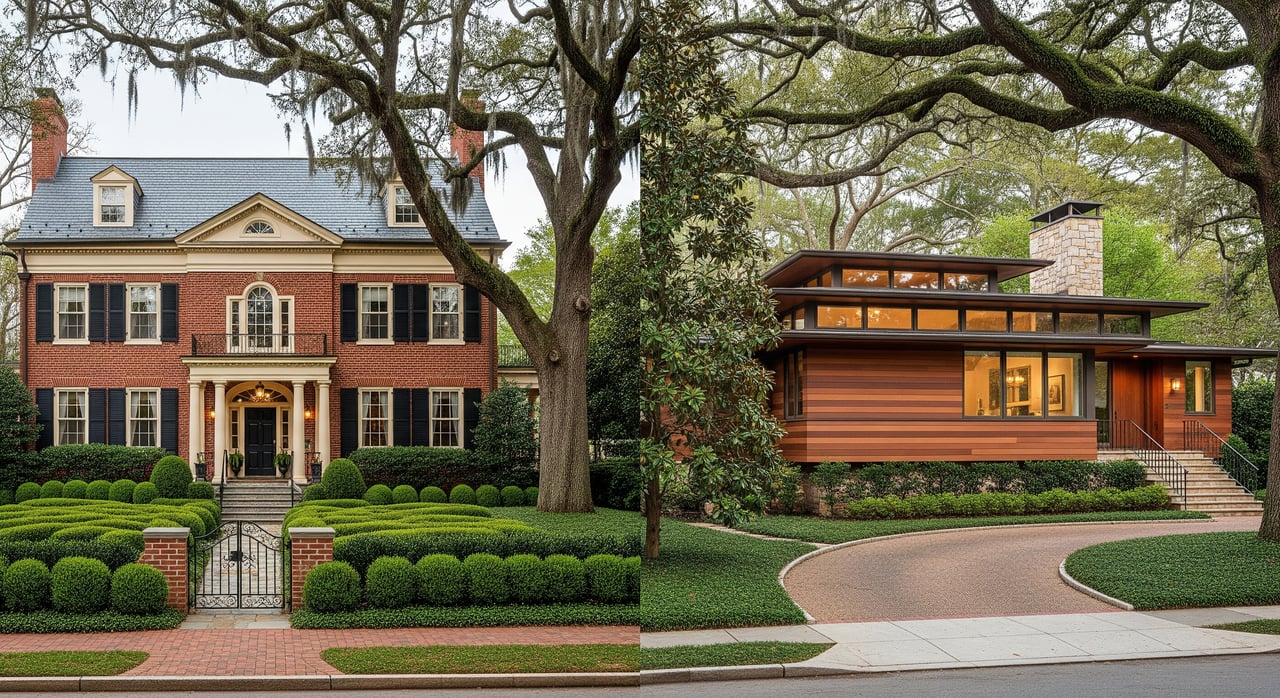
Deciding between Castlewood and Collier Hills can feel like choosing between two good options that offer different daily rhythms. You might want a quiet street with mature trees, a bungalow with character, or a practical route to parks and errands. The details that matter most to you live at the micro‑market level.
In this guide, you’ll compare Castlewood and Collier Hills side by side on home styles, lot feel, access to parks, and retail convenience so you can match a pocket to your priorities. You’ll also get a simple field checklist to use on your next drive‑through. Let’s dive in.
How micro‑markets shape your search
Buckhead’s micro‑markets can change noticeably within a few blocks. Boundaries, lot depth, tree canopy, and even the slope of a street influence how a home lives day to day. Before you fall in love with an address, confirm neighborhood boundaries and parcel details with official records. Fulton County Tax Assessor data and City of Atlanta planning maps are reliable sources to verify parcel dimensions, zoning, and overlays.
Home styles and age
Castlewood
Castlewood often features small to midsize single‑family homes built in the 1940s through the 1960s. You’ll see bungalows, ranches, and traditional styles that have been updated over time. Many blocks show a mix of original homes alongside significant renovations and some tear‑downs replaced by larger, contemporary builds. The result is a classic Buckhead feel with increasing variety in scale.
Collier Hills
Collier Hills has deep early‑to‑mid‑20th‑century roots, with plentiful bungalows and ranches. Some streets preserve a cohesive historic bungalow character, while others include visible infill and remodels. Buyers drawn to original charm and smaller‑scale living often find options here, alongside homes that have been expanded.
Renovation and new build activity
Both pockets show ongoing renovation. You may notice more teardowns and new construction on blocks where lots allow it. To understand what is possible on a specific property, confirm year built, lot coverage, and allowable floor area with City of Atlanta zoning and the tax assessor. Tree protection rules can also shape expansion plans, so review tree ordinances before you budget for an addition.
Lot sizes and yard feel
Castlewood lots
Castlewood tends to offer urban to suburban lots that are smaller than classic Buckhead estates. Expect modest front yards and varying rear yards. Some pockets include deeper lots that suit additions or replacement builds. Mature tree canopy adds privacy and curb appeal on many streets.
Collier Hills lots
Collier Hills typically includes small to medium lots, with some corner or deeper parcels sprinkled in. Rolling terrain and curving streets influence driveway placement and foundations. If you want a smaller yard to maintain with the option to expand thoughtfully, certain blocks here can be a fit.
Expansion potential checklist
- Confirm parcel width and depth via Fulton County Tax Assessor.
- Check zoning and floor area ratio limits with City of Atlanta planning maps.
- Review tree protection rules and any historic or design overlays.
- Look for recent building permits nearby to gauge teardown or addition trends.
Parks and outdoor access
Castlewood access factors
From Castlewood, you can evaluate proximity to neighborhood green spaces and connections to larger Buckhead parks or multi‑use trails. Sidewalk continuity, safe street crossings, and the presence of a street tree canopy affect how enjoyable the walk or bike ride feels.
Collier Hills access factors
Collier Hills historically includes community parks and may have neighborhood facilities. Verify what is available today and whether access is public or via membership. Its rolling topography can add interest to a walk but can also affect route choice and stroller‑friendliness.
How to test a park commute
- Map the actual walking route and time, not just straight‑line distance.
- Note any busy arterials or rail corridors that create barriers.
- Check lighting, crosswalks, and sidewalk gaps along the route.
- Try the route at different times to see real patterns.
Retail and daily convenience
Castlewood retail profile
Think in terms of two layers: quick neighborhood stops and bigger retail nodes. From Castlewood, many errands are a short drive to Buckhead corridors. Major destinations such as Buckhead Village, Buckhead Atlanta, and Peachtree Battle serve as anchors for dining, fashion, and services. The practical experience depends on your specific block and your preferred route.
Collier Hills retail profile
Collier Hills residents typically rely on nearby neighborhood clusters for everyday needs, then tap into larger Buckhead centers for broader dining and shopping. Travel patterns can vary at peak hours, so test your usual errand loop to see what feels efficient.
Testing walkability and errands
- Use mapping tools to compare a 0.4‑mile walk that crosses a busy arterial vs a 0.7‑mile route with continuous sidewalks.
- Check where you can get coffee, a quick bite, and a pharmacy run without getting on a major road.
- Evaluate parking and delivery access at your likely retail stops.
Drive access and commute rhythm
Access to Peachtree Road, Piedmont Road, and Roswell Road shapes commuting and evening plans. A few blocks can change your exit route and time to a major corridor. If you commute or have regular school and activity drop‑offs, drive the route during weekday rush and a weekend midday to sample real conditions.
Which pocket fits your priorities
Use these tendencies as a starting point, then verify on the ground:
- If you value intact mid‑century charm and smaller‑scale homes, you may lean toward blocks in Collier Hills that preserve bungalow character.
- If you want room for a larger renovation or a new build, target Castlewood blocks where recent teardowns or lot consolidations suggest feasible expansion.
- If quick café or dinner walks matter most, focus on either pocket’s streets with continuous sidewalks and direct connections to nearby retail corridors.
- If you prefer a quieter residential feel and mature canopy, look for interior blocks away from major arterials in either pocket.
- If you want easy access to Buckhead retail and nightlife by car, prioritize addresses with a direct route to primary corridors.
Field checklist for your visit
- Walk to the nearest park and a go‑to retail node. Time it both ways.
- Confirm lot dimensions and buildable area with county parcel data.
- Trace sidewalk continuity and note any difficult crossings.
- Scan for recent permits and nearby construction.
- Note topography, driveway function, and on‑street parking patterns.
- Check for any floodplain, overlay, or tree constraints with city maps.
How The Boyd Team helps
Choosing between Castlewood and Collier Hills comes down to the little things: a quieter curve of street, a deeper backyard, a gentler walk to parks, or a faster turn to a major corridor. The Boyd Team brings neighborhood‑level insight, access to on‑ and off‑market options, and concierge‑style guidance. We help you verify parcel data, review zoning basics, and pressure‑test daily routes so your decision is grounded in how you live.
Ready to compare homes on the ground and move with confidence? Request a Confidential Consultation with The Boyd Team at Unknown Company.
FAQs
What differs most about homes in Castlewood vs Collier Hills?
- Castlewood often mixes updated mid‑century homes with larger infill builds, while Collier Hills tends to feature more intact bungalow and ranch streets alongside select remodels.
How do lot sizes compare between Castlewood and Collier Hills?
- Both offer small to medium lots by Buckhead standards, with Castlewood showing pockets of deeper parcels and Collier Hills including occasional corner or deeper lots depending on the block.
Which pocket has better park access for families and pets?
- Both can provide convenient park access, but real walkability depends on sidewalks, crossings, and topography, so test the exact route from the address you are considering.
Is one area better for a teardown or major addition?
- Either can work depending on zoning, lot dimensions, and tree protection rules; confirm FAR, overlays, and recent permit activity before pursuing a teardown or expansion.
How close are grocery and dining options to each pocket?
- Both rely on nearby neighborhood clusters and larger Buckhead nodes like Buckhead Village and Peachtree Battle, with practicality shaped by the specific block and route.
What should I check before writing an offer in either neighborhood?
- Verify parcel data, zoning limits, and any overlays, walk the park and retail routes, evaluate traffic at peak times, and review nearby permits to understand future change.